From Super Bowl 50 to Super Bowl 2026: A Decade of LGBTQ+ Business Inclusion in San Francisco

Sydney Winstead • February 6, 2026

Reflecting on a Decade of Inclusion as the Super Bowl Returns to the Bay Area

As San Francisco prepares to welcome the global spotlight once again with Super Bowl LX, the moment marks more than the return of football’s biggest stage and top teams the Seahawks and Patriots. It represents ten years since Super Bowl 50 helped redefine who gets access to opportunity when a world-class event comes to town.


When Super Bowl 50 played by the Carolina Panthers vs. The Broncos it was hosted in the San Francisco Bay Area. It was not just an epic halftime show featuring Coldplay and special guests Beyonce and Bruno mars, it became a historic milestone for inclusive economic participation. For the first time in Super Bowl history, LGBTQ+-owned and certified businesses were formally invited to participate in the NFL’s Business Connect program, allowing them to compete for event-related contracts alongside minority-, women-, and veteran-owned firms.

This wasn’t a symbolic gesture — it was a foundational shift in how large-scale events engage with local and diverse business communities.


The Role of GGBA and Inclusive Leadership

That shift was driven largely by the advocacy, partnership-building, and driven leadership of the Golden Gate Business Association. Working closely with the Super Bowl 50 Host Committee, GGBA helped ensure that LGBTQ+ businesses were not only visible, but recognized as capable, worthy of a presence, and competitive partners in one of the world’s most high-profile events.

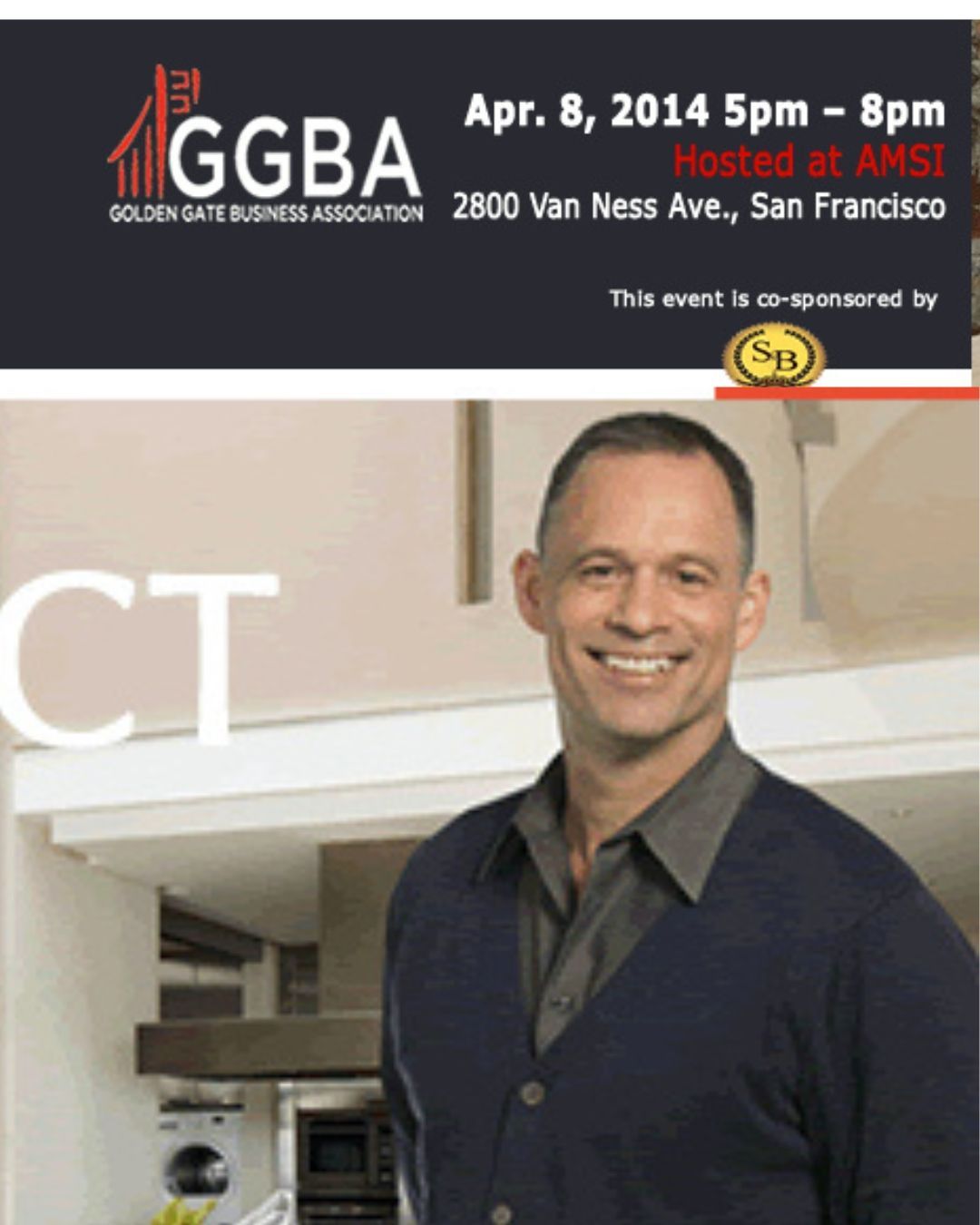
“Super Bowl 50 stands as a landmark moment for inclusive economic impact,” said Robb Fleischer, who served as GGBA President at the time. “Our coalition-building, advocacy, and leadership with the Host Committee helped open doors for LGBTQ-owned enterprises, spotlighting their ability to compete on a global stage and contribute meaningfully to one of the world’s biggest cultural events.”

Under GGBA’s involvement:

  • LGBTQ+-owned businesses gained access to competitive business and supplier opportunities
  • Hundreds of diverse Bay Area companies benefited from increased exposure and business growth tied to Super Bowl events
  • The NFL’s Business Connect program expanded its definition of inclusion, setting a precedent that continues today into Super bowl 60
“Being invited to share in the Super Bowl experience — and to compete for business — was more than a contract win,” Fleischer added.
“
It was symbolic of how the Bay Area’s diversity drives innovation and economic strength.”
Why This Legacy Still Matters in 2026

Ten years later, the impact of Super Bowl 50 was not just a win for the Broncos, but a win for San Francisco businesses. The impact continues to shape how major events think about economic inclusion, community engagement, and long-term benefit. As the Bay Area is gearing to host again at Super Bowl LX, this legacy feels especially relevant.


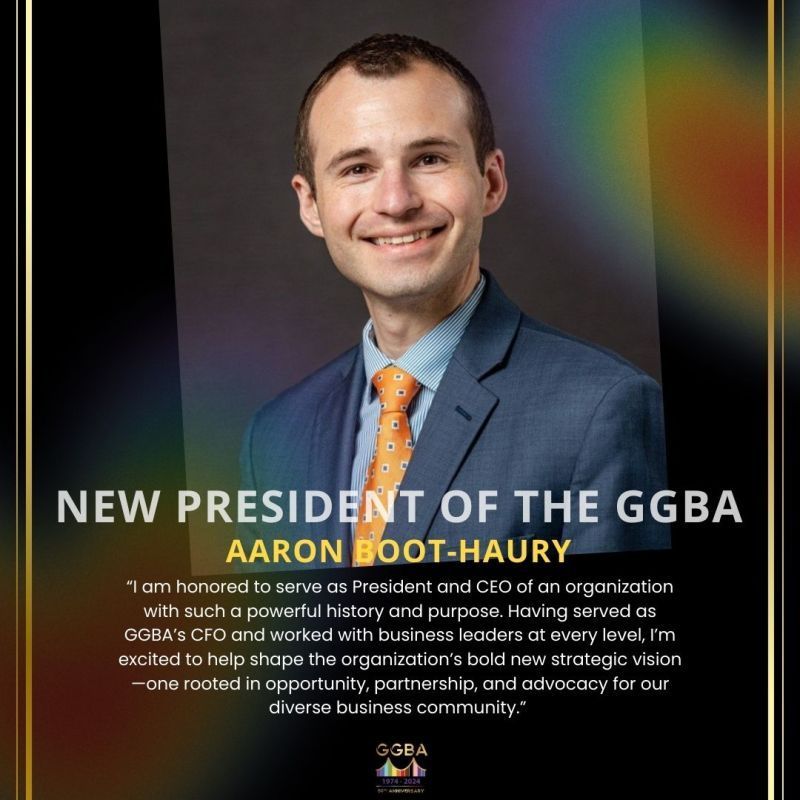
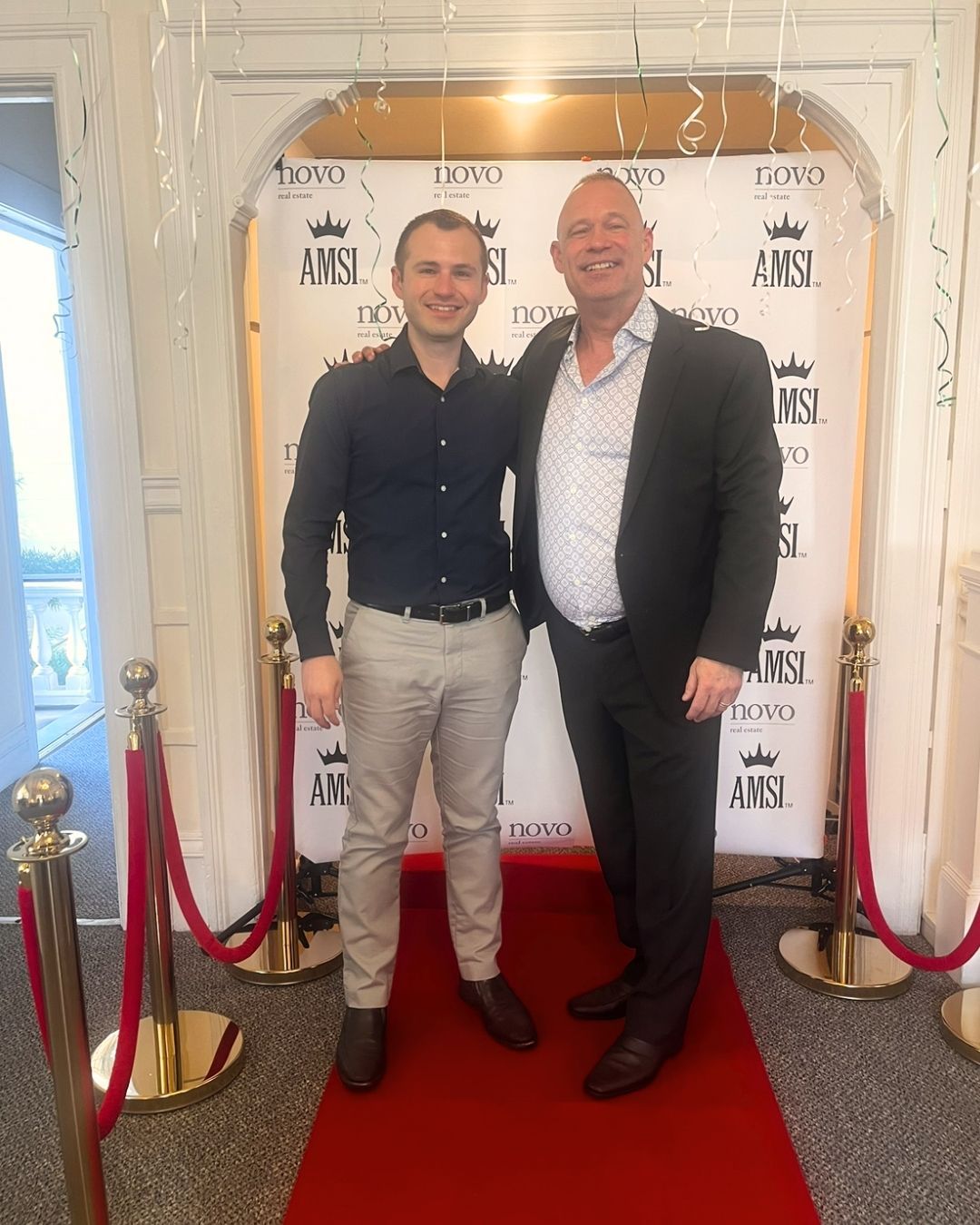
Today, GGBA continues this work under the leadership of Aaron Boot-Haury, building on the progress made a decade ago while looking ahead to the future of inclusive business development. The organization remains focused on expanding access, strengthening partnerships, and ensuring that LGBTQ+ and diverse businesses are positioned to participate in major regional and global opportunities.


Super Bowl LX brings with it more than a single game — it creates a week (and season) of events, activations, procurement needs, partnerships, and visibility. The groundwork laid during Super Bowl 50 ensures that inclusion is no longer an afterthought, but an expectation.


Looking Ahead: Super Bowl 2026 as an Opportunity

As international attention returns to San Francisco in 2026, the message is clear:
Inclusion isn’t a trend — it’s an economic strategy.

For LGBTQ+-owned and diverse businesses, Super Bowl LX represents a chance to:

  • Engage with large-scale procurement and supplier opportunities
  • Increase brand visibility on a global platform
  • Build lasting relationships that extend well beyond Super Bowl week


This not only helps business, but helps the economic status of the City as a whole. Where there is inclusion, there is opportunity for all.


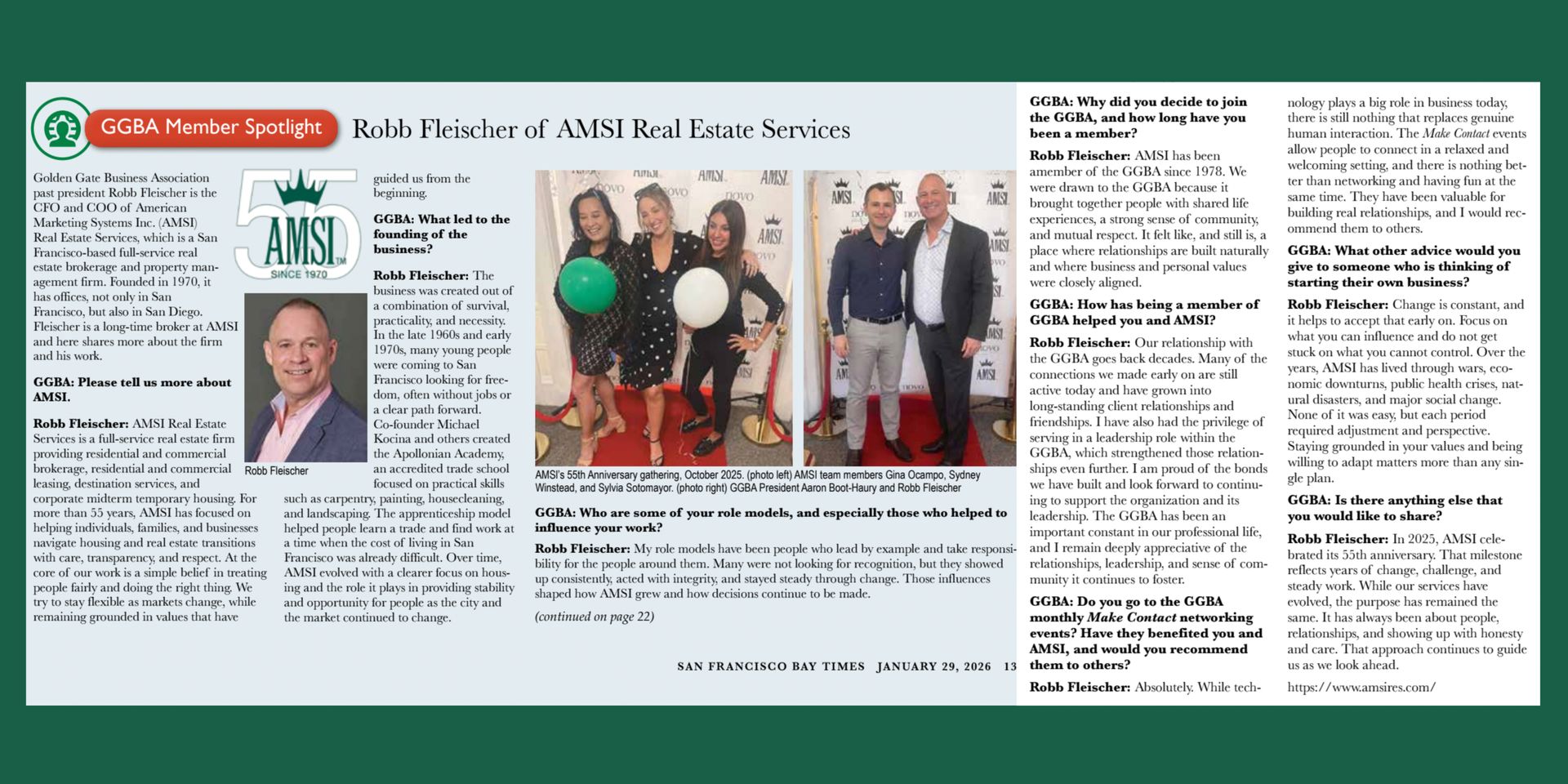
Read about Robb Fleischer's GGBA Member Spotlight below, and the impact the foundation has had on his past, present, and future.

By Sydney Winstead • October 27, 2026
A Smarter Start to 2027: Your Rental Property Checklist How property owners can prepare for the year ahead and protect their real estate investments. As 2026 comes to a close, the end of the year presents a valuable opportunity for rental property owners to evaluate their investments and plan for the year ahead. From reviewing rental rates to scheduling preventative maintenance, a little preparation today can make a meaningful difference in 2027.  Whether you own a single-family rental in San Diego, a condominium in San Francisco, or a multifamily investment property, these five steps can help you start the new year with confidence. 1. Review Your Rental Pricing Strategy Rental markets are constantly evolving, and a rate that was competitive at the beginning of 2026 may not reflect current conditions. Before entering 2027, consider reviewing comparable rental properties in your neighborhood, recent leasing activity, and the amenities your property offers. A competitive rental price can help attract qualified tenants, reduce vacancy periods, and support consistent rental income. AMSI Tip: Rental pricing should reflect local market conditions, property features, and current demand rather than relying solely on previous rental rates. 2. Prioritize Preventative Maintenance Small maintenance issues can quickly become costly repairs when left unaddressed. The end of the year is a great opportunity to assess your property's condition and identify improvements that may be needed. Key areas to review include: Heating, ventilation, and air conditioning systems Plumbing fixtures and potential leaks Roofing, gutters, and drainage Windows, doors, and weatherproofing Smoke and carbon monoxide detectors Exterior landscaping and common areas Regular inspections and preventative maintenance can help preserve property value while creating a safer, more comfortable living environment for tenants. 3. Evaluate Your Property's Financial Performance Understanding how your rental property performed throughout 2026 can help you make more informed decisions for 2027. Review your rental income, operating expenses, maintenance costs, insurance premiums, property taxes, and any periods of vacancy. Consider whether your current budget accounts for unexpected repairs or future improvements. Having a clear picture of your property's financial performance makes it easier to identify opportunities for greater efficiency and long-term profitability. 4. Focus on Tenant Retention Finding new tenants requires time, marketing, and preparation. Maintaining positive relationships with existing tenants can help reduce turnover and the expenses associated with vacancy. As the new year approaches, consider how your property is performing from a tenant's perspective. Are maintenance requests being addressed promptly? Is communication clear and consistent? Are there reasonable improvements that could enhance the living experience? A proactive approach to tenant satisfaction can contribute to longer tenancies and more stable rental income. 5. Set Your Investment Goals for 2027 Every rental property serves a different purpose, and your goals may evolve over time. Some owners may want to maximize rental income, while others may be focused on reducing expenses, completing renovations, or expanding their real estate portfolio. Consider asking yourself: Is my property performing as expected? Are there improvements that could strengthen its rental appeal? Should I adjust my maintenance or operating budget? Do I have a long-term strategy for this investment? Establishing clear goals can help guide decisions throughout the coming year. Looking Ahead: Make 2027 a Stronger Year for Your Investment Successful rental property ownership involves more than collecting rent. It requires thoughtful planning, consistent maintenance, market awareness, and an understanding of what tenants value. Taking time to review your property's performance before the new year can help you identify opportunities, anticipate expenses, and position your investment for long-term success. At AMSI , we provide professional property management and leasing services to help owners navigate the responsibilities of rental property ownership. Whether you're preparing your property for new tenants or evaluating your investment strategy for 2027, our team is here to help. Explore our property management services at www.amsires.com .
By Sydney Winstead • October 19, 2026
AMSI in the Spotlight: Alex Goffo on San Francisco's Changing Rental Market AMSI's Alex Goffo shares his perspective on the evolving role of leasing agents in the September 2026 issue of SF Apartment Magazine. San Francisco's rental market has experienced significant changes over the past several years, reshaping how property owners attract tenants, market their listings, and navigate an increasingly competitive landscape. In his article, Leasing the Way, published in the September 2026 issue of SF Apartment Magazine, AMSI's Alex Goffo explores how professional leasing agents have become an essential connection between property owners, renters, and the changing market. A Changing Rental Landscape Before the pandemic, many San Francisco property owners managed their own rental listings. As vacancies increased and competition intensified, professional marketing, pricing strategies, and leasing support became increasingly valuable. Today, with rental demand strengthening and workers returning to offices, Alex highlights how the leasing process has evolved beyond simply filling vacancies. Why Professional Representation Matters According to Alex, successful leasing requires more than setting an asking price and publishing a listing. Professional agents help property owners position their properties competitively, coordinate showings, communicate with prospective tenants, and evaluate applications while maintaining fair housing compliance. The goal isn't simply to secure the highest possible rent. It's to make informed decisions that protect a property's long-term value. Looking Ahead As San Francisco's rental market continues to evolve, Alex emphasizes the importance of knowledgeable, responsible representation. His article reinforces a central principle of AMSI's approach: combining local market expertise with thoughtful, personalized service for property owners and renters. We're proud to recognize Alex for contributing his perspective to the San Francisco real estate community. Read Alex's full article, Leasing the Way, in the September 2026 issue of SF Apartment Magazine, pages 34–36 and 48. READ THE FULL ARTICLE →
By Sydney Winstead • October 16, 2026
Good Homes. Happy Tails. Homemade Meals.
By Sydney Winstead • October 15, 2026
San Diego Development Projects to Close Out 2026
By Sydney Winstead • October 12, 2026
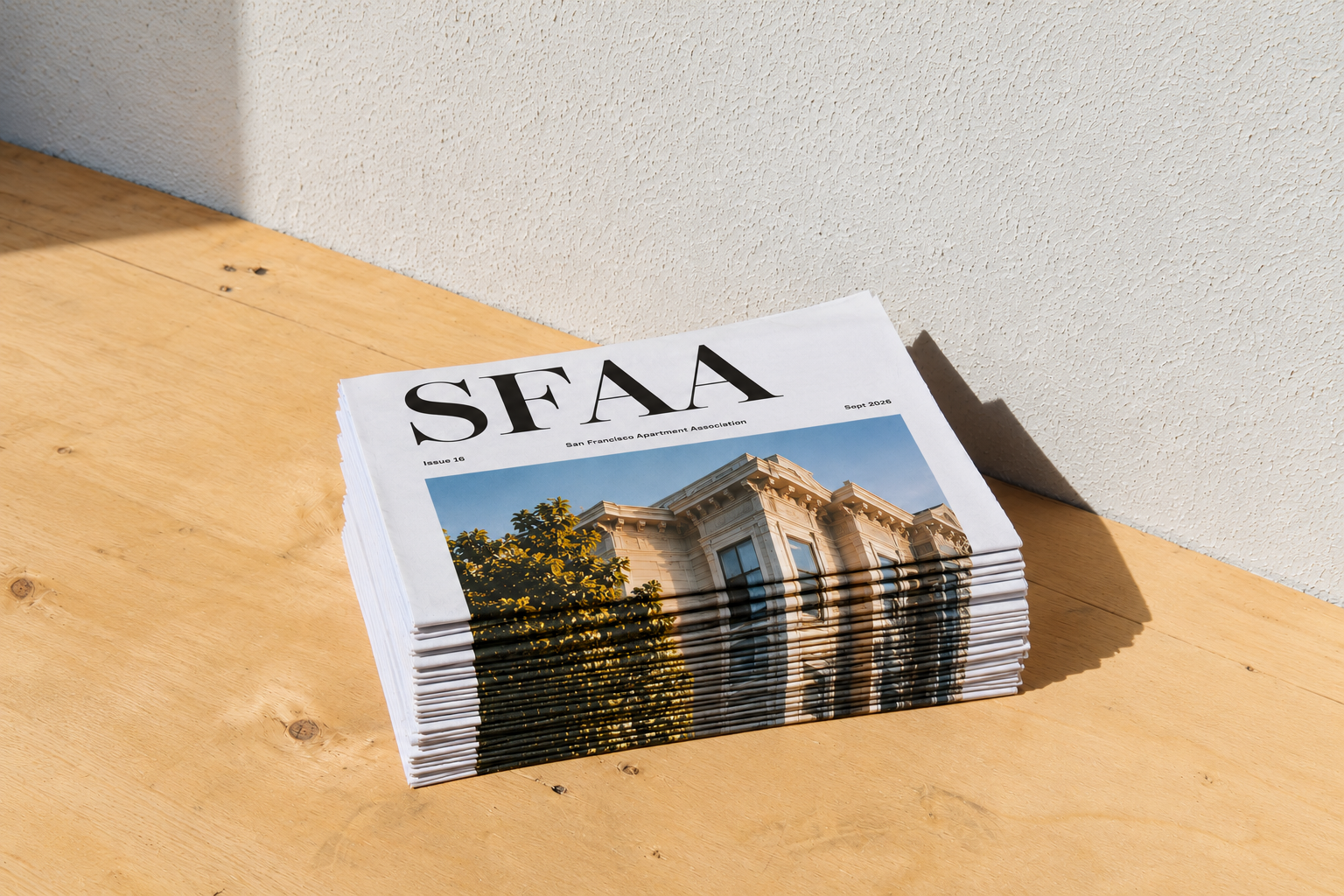
Robb Fleischer Calls for a Fresh Look at San Francisco Housing Policy Featured in the August 2026 edition of the San Francisco Apartment Association Magazine In the August 2026 edition of the San Francisco Apartment Association (SFAA) Magazine, AMSI Corporate Broker Robb Fleischer shares his perspective on the future of San Francisco's rental housing market in an open letter titled “A Call to Reexamine Housing Policy, Property Rights, and the Future of San Francisco.” Drawing on more than 45 years of experience as a San Francisco resident and property management professional, Robb examines the growing challenges facing housing providers and the importance of balancing tenant protections with the long-term sustainability of rental housing. The Challenges Facing San Francisco Housing In his letter, Robb discusses the financial pressures affecting rental property owners, including rising insurance premiums, maintenance expenses, regulatory requirements, and construction costs. He also explores how rent regulations, development barriers, and an increasingly complex regulatory environment can influence housing investment and the availability of rental properties. A Call for Constructive Dialogue At the heart of Robb's message is the belief that protecting tenants and maintaining a healthy rental housing market should not be competing objectives. Rather than advocating for the elimination of tenant protections, he encourages policymakers to reexamine the cumulative impact of existing regulations and consider approaches that support affordability, responsible property ownership, and future housing development. His letter calls for a thoughtful conversation about how San Francisco can address its housing challenges while creating a more sustainable environment for both residents and housing providers. Read the Full Article Robb's letter offers a perspective shaped by decades of firsthand experience in San Francisco's rental housing industry. Read “A Call to Reexamine Housing Policy, Property Rights, and the Future of San Francisco” in the August 2026 SFAA Magazine, beginning on page 54. Read the Full Article in SFAA Magazine
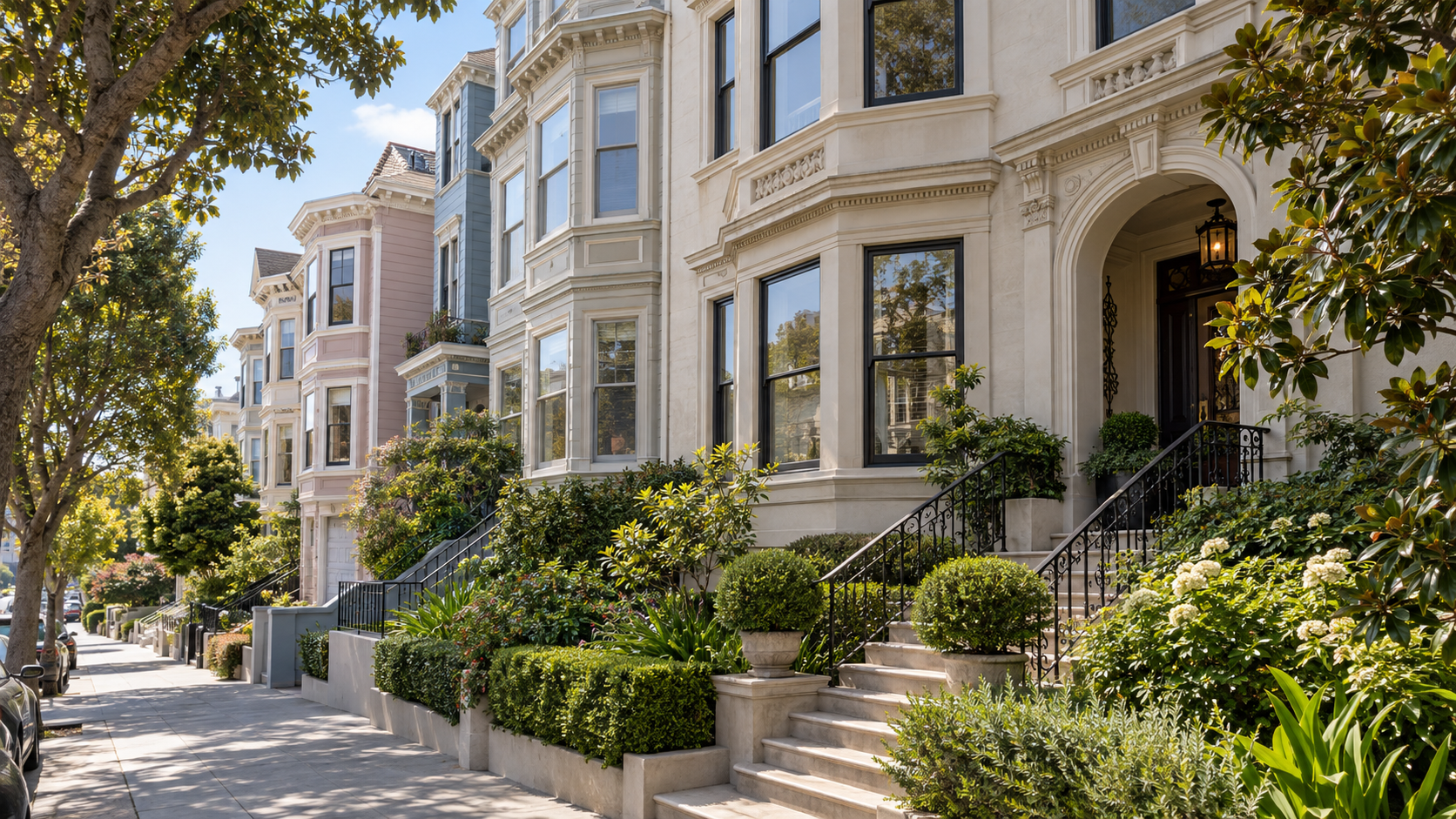
Victorian multifamily apartment buildings on a tree-lined residential street in San Francisco
By Jackson Salamunovich • September 24, 2026
San Francisco multifamily market, September 2026: vacancy at 3.2%, rents up 13.3%, and median per-unit prices from 694 apartment building sales on the SFAR MLS.
By Sydney Winstead • September 22, 2026
Why the End of the Year Can Be a Smart Time to Move
By Sydney Winstead • September 22, 2026
San Francisco Holiday Happenings 2026: Halloween, Thanksgiving and Christmas Events
By Sydney Winstead • September 22, 2026
San Diego Holiday Happenings 2026: Halloween, Thanksgiving and Christmas Events
By Sydney Winstead • September 21, 2026
Seasonal Home Design Trends That Feel Fresh, Not Overdone