A Guide to San Francisco's 2025 Development

Sydney Winstead • December 3, 2025

Built in the Bay: Tracking San Francisco’s Growth and Transformation


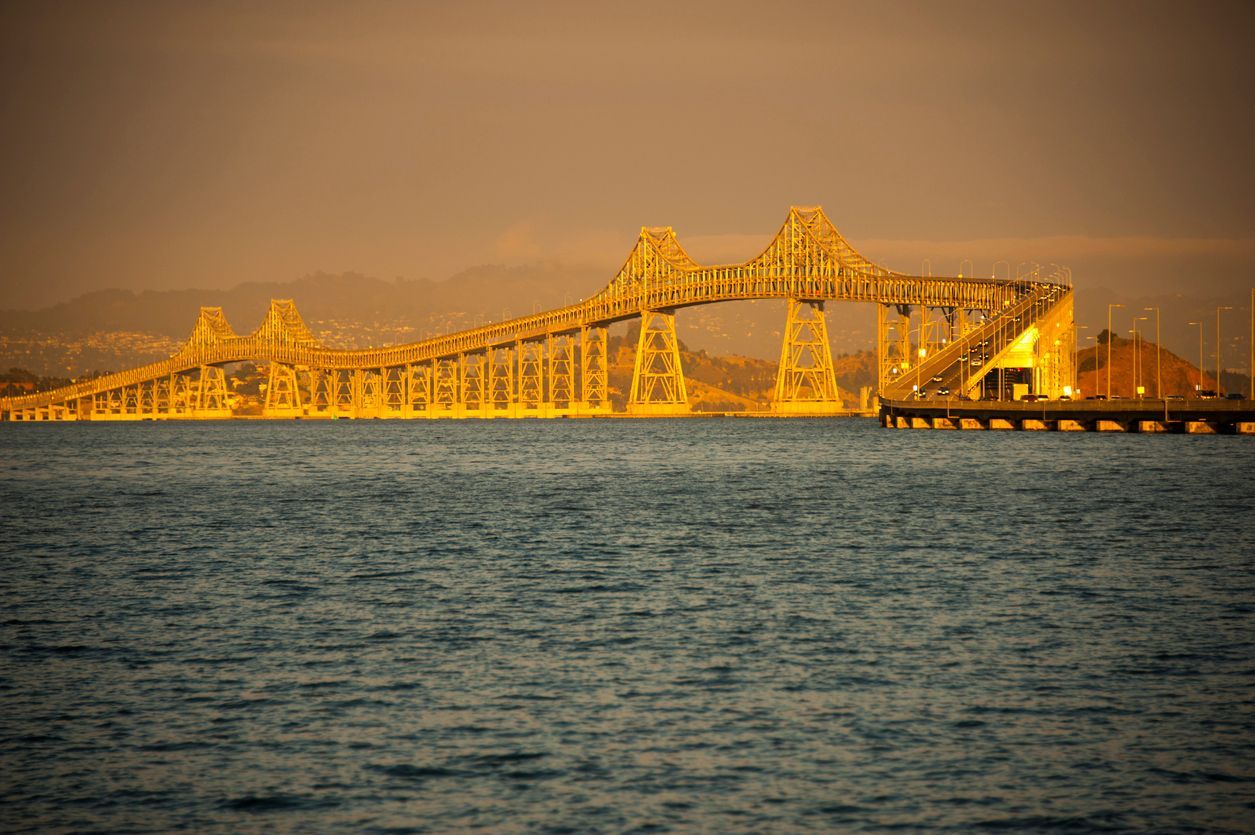
Richmond–San Rafael Bridge Is Getting a Major Upgrade: What Bay Area Residents Should Know

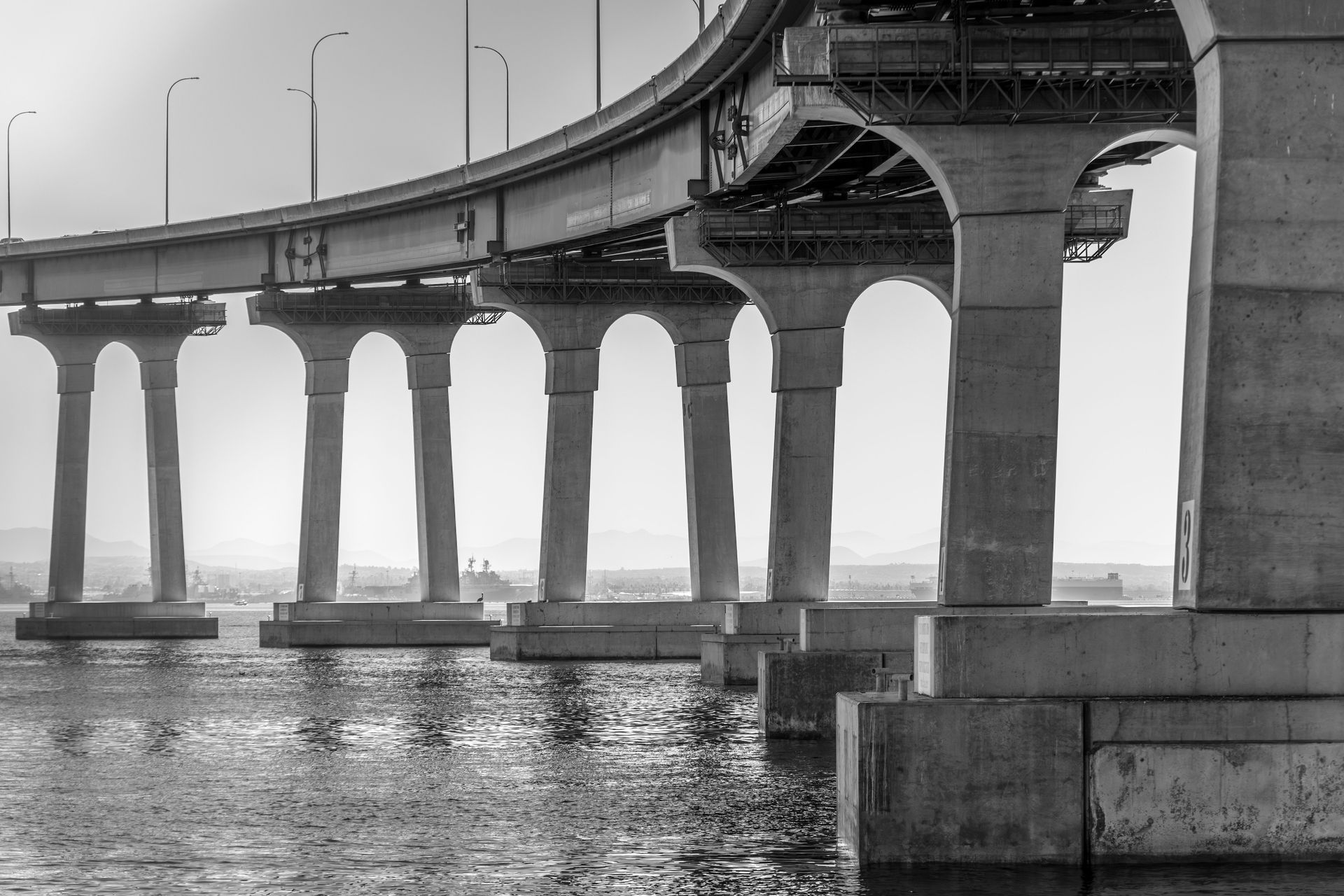
Construction is set to begin next week on the Richmond–San Rafael Bridge as it becomes the first Bay Area bridge to transition to open-road tolling. The project includes the removal of existing toll booths and updates to the westbound approach.


What’s Changing


Toll booths will be removed and replaced with overhead tolling gantries


Westbound lanes will be restriped and reconfigured


Nighttime lane closures are expected during construction


A full westbound weekend closure is planned for 2026 to install major equipment


The project is scheduled to finish in late 2026


Projected Traffic Effects


Models from the Metropolitan Transportation Commission indicate potential changes in travel times once construction is complete:


Estimated 3–5 minute change for most drivers


Estimated 10–12 minute change for carpools and buses

Actual impacts may vary as the system rolls out and traffic patterns adjust.


Why the Project Is Happening


The bridge currently experiences recurring bottlenecks where multiple toll lanes merge into two travel lanes. The transition to open-road tolling and lane reconfiguration is designed to address this choke point and align the bridge with systems already used on other California highways.


What This Means for the Region


The project introduces a new tolling model for Bay Area bridges and may influence traffic flow between Marin and Contra Costa counties once complete. It may also affect commuting patterns, travel times, and regional connectivity depending on how drivers adapt to the updated infrastructure.


Bottom Line


Residents can expect periodic construction-related delays over the next year and a half, including a full weekend closure in 2026. Once finished, the bridge will operate under a new tolling system designed to streamline the approach and eliminate the existing toll booth layout.


Read More Here!


San Francisco Office Leasing Surges 63% Fueled by AI Demand


San Francisco’s office market recorded a 62.8% year-over-year increase in leasing volume in the second quarter of 2025, the fastest growth of any U.S. city and the highest since 2019. The increase reflects activity from AI companies, as well as tech and professional services firms expanding or restructuring office space.


AI tenants have leased 6 million square feet across San Francisco, spanning the Financial District, Mission Bay, and other areas, with over 267 companies signing leases this year.


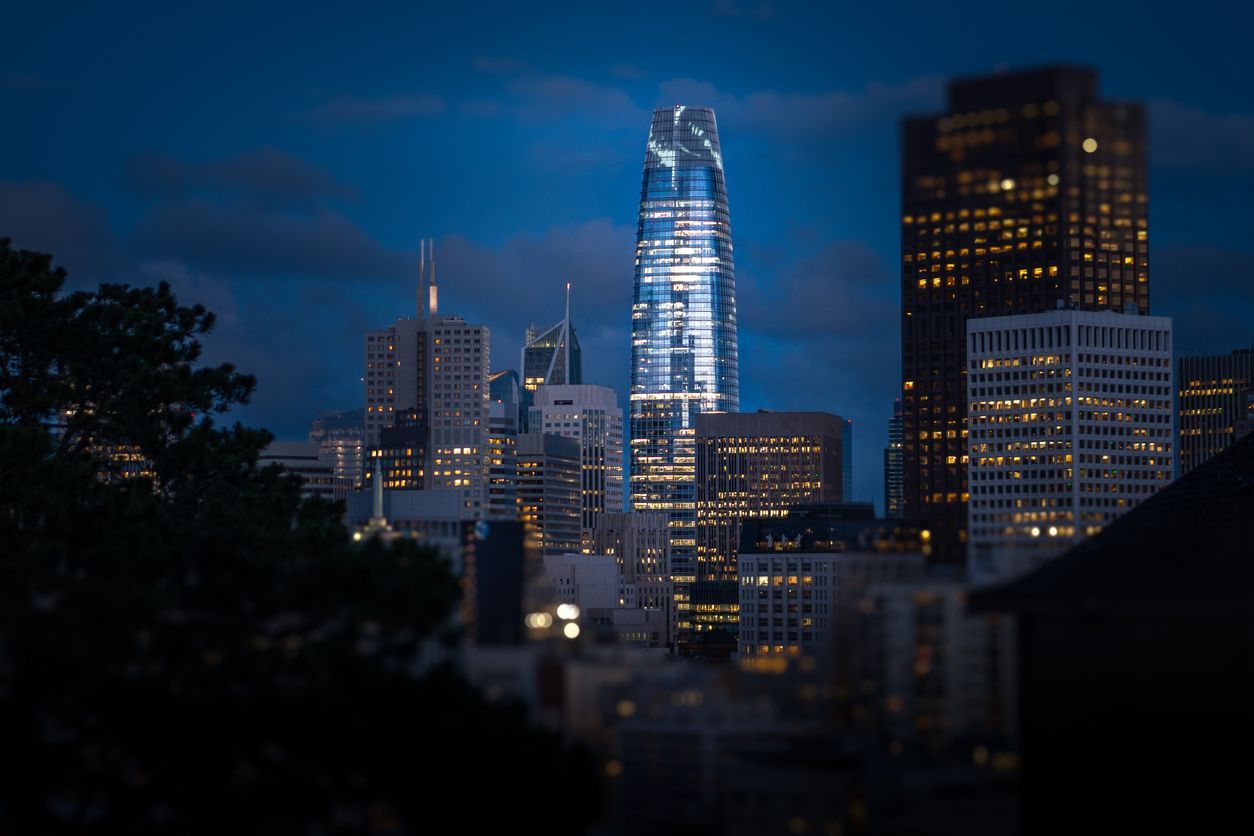
At Salesforce Tower, BXP Inc. has signed 480,000 sq. ft. of leases, with additional space still in negotiations. Daily occupancy at the tower is approximately 83% of pre-pandemic levels. Overall office availability in the city declined to 35.8%, with sublease space decreasing for eight consecutive quarters and direct availability falling for the first time since 2019.


In addition to AI, demand is also present in law, accounting, and venture capital sectors, indicating activity across multiple industries.


Key Highlights:


Leasing volume: +63% YoY


Office availability: 35.8%


AI footprint: 6 million sq. ft. leased


Industry activity: Tech, law, accounting, venture capital


Historic growth: Strongest leasing momentum since 2019


The data points highlight current trends in San Francisco’s office leasing market, including AI-driven demand, tightening availability, and cross-industry leasing activity. 


 Read more about the boom here. 


Richmond Unveils Plans to Transform Hilltop Mall into Vibrant Urban Hub

Richmond is taking big steps to reimagine the Hilltop Mall site, a 143-acre area with huge potential for housing, retail, and entertainment. Early plans shared at the Aug. 21 Planning Commission meeting show the city envisions an urban center with high-rise apartments, shops, restaurants, and entertainment spaces, gradually tapering down to lower-density buildings at the edges.


While Prologis, which owns most of the site, is pushing for mid- to lower-density housing due to market realities, the city wants to make the most of this once-in-a-generation opportunity to meet Richmond’s housing growth goals. The plan could eventually include up to 200 housing units per acre and buildings as tall as 135 feet.


Construction is likely still a few years out, with the Hilltop Horizon Specific Plan expected to be finalized in 2026. In the meantime, part of the site is already being put to use: Prologis leased 14 acres of the mall parking lot to autonomous vehicle developer Glydways for testing and distribution.


This redevelopment could transform Hilltop Mall from a traditional shopping center into a mixed-use destination, bringing new homes, retail, and entertainment options to Richmond and making it one of the Bay Area’s most notable redevelopment projects.


Read more here

Low Income Housing Project Officially Broke Ground in Potrero Hill

Construction has officially begun on an affordable housing development at 300 De Haro Street in Potrero Hill, San Francisco. The 11-story building will feature 425 studio units, including fully furnished options, providing accessible living for young workers, service professionals, and middle-income earners.


As the largest affordable housing project in San Francisco in over five years, the development highlights the impact of Senate Bill 35 in streamlining permits for new housing. When completed in summer 2027, the building will offer a fitness center, co-working space, green areas, and retail options, while also creating hundreds of construction jobs for the local community.


This milestone reinforces San Francisco’s commitment to expanding affordable housing and supporting residents in high-demand neighborhoods like Potrero Hill.


Income qualification: To qualify for a unit, individuals or families must earn between $41,000 and $95,000 annually, which is 30%–70% of the area’s median income (AMI).


Read More Here

Roblox Transforms Bay Meadows into Corporate Hub

Roblox is continuing its rapid growth at Bay Meadows in San Mateo, the 83 acre community built on the former racetrack site. The gaming giant has added another 68,000 square feet at Station 4 and now occupies more than 750,000 square feet across multiple buildings, making Bay Meadows its official headquarters.


With nearly 2,500 employees, Roblox has transformed the development into a major corporate hub, driving business to nearby shops and restaurants. The company requires staff in office three days a week as it competes with Epic Games, Unity, and Meta for top engineering talent.


Roblox’s expansion comes as Peninsula office vacancies hit a 10 year high, but its growth signals renewed momentum in the market. Daily active users jumped 41% in the last quarter to 111.8 million, while revenue climbed 21% to $1.1 billion.


Read more about the project here!

Thompson Builders Plans 258-Unit Central SoMa Project

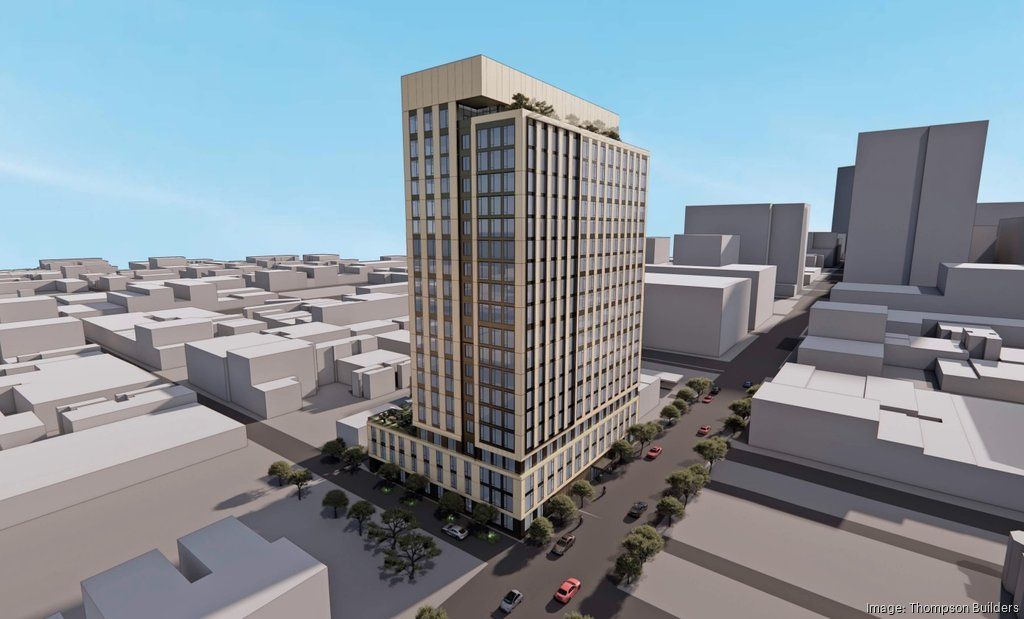
Thompson Builders has proposed a new 258-unit apartment tower at 360 Fifth St. in San Francisco’s Central SoMa, replacing a previously approved 127-unit design. The site, once abandoned by Leap Development during the pandemic and nicknamed “trash lake,” was foreclosed on by lender Lone Oak before Thompson acquired it.


The 244-foot project, designed with Handel Architects, will include studios, one- and two-bedroom rentals, 130 parking spaces, 196 bike spots, and 9,300 sq. ft. of open space. Rising apartment demand in SF—one-bedroom rents up 13.3% and two-bedrooms up 16.3% year-over-year-could boost the project’s feasibility.


Thompson expects approvals in 4–6 months and sees the development as part of a broader Central SoMa residential shift, alongside other large housing proposals from Strada Investment Group and Kilroy Realty.


Read more about the project here! 


Pier 70 and Power Station Transformational Project

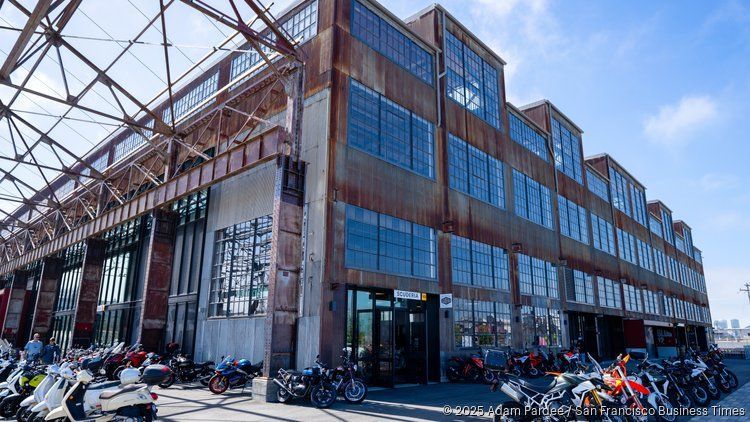
San Francisco's waterfront is undergoing a major transformation, with the Pier 70 and Power Station projects leading the parade. These  developments are reinvisioning the Dogpatch neighborhood, once ran by heavy industry. While construction may take years, developers are focusing on activating the area early with temporary entertainment and fun recreational spaces. Pier 70's Building 12, now housing attractions such as Standard Deviant Brewing and Bay Padel, is already drawing a crowd, offering its visitors a unique waterfront experience.


As the developments progress, projects like Prequel Park and Elevation Sky Park will further enhance public access, with green spaces, sports facilities, and immersive event venues. Their goal is to turn this once industrial area into a vibrant escape for both work and play. While full residential and commercial spaces are still in the works, these early activations are building public interest, showcasing the potential of the area.


With additional projects along the waterfront, including Mission Rock and Power Station, San Francisco’s eastern shore is headed for a major revitalization. These developments are not only expected to attract new businesses but also bring new residents to the neighborhood, making it one of San Francisco's fastest-growing areas. For now, locals and visitors alike can enjoy the new amenities, while eagerly anticipating the complete transformation of the waterfront in the years to come.


Read more about the project here!


*image from Adam Parcee/ San Francisco Business Times* 


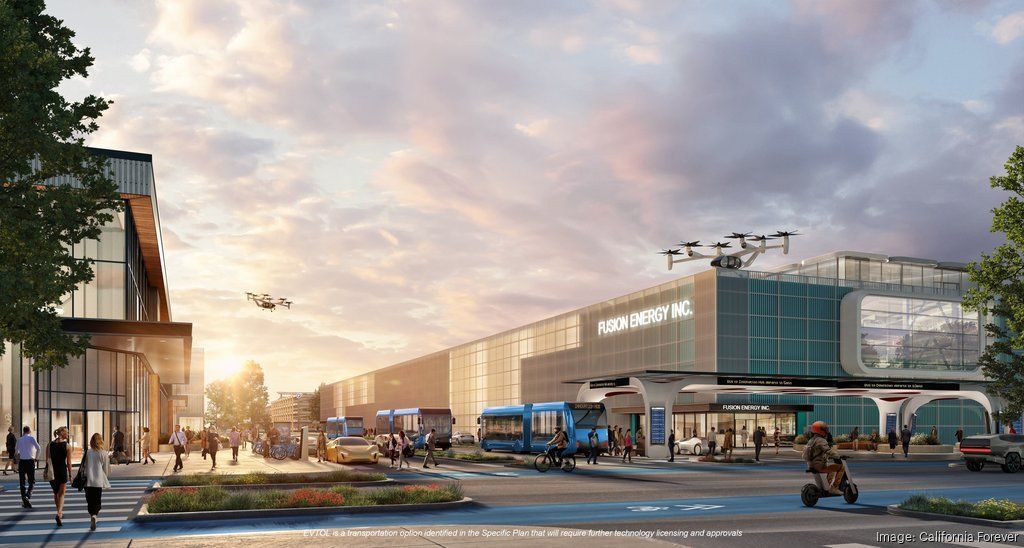
California Forever's Solano Foundry: A High-Tech Manufacturing Hub


California Forever has unveiled plans for the Solano Foundry, a massive high-tech manufacturing park that aims to become the largest in the U.S. Located on 2,100 acres in California, this project is designed to keep manufacturing within the state by offering solutions to challenges like lengthy approval processes, power access, and high costs of living. This project is set to be built in Suisun, just 27 miles from San Francisco.


This futuristic park will include 40 million square feet of manufacturing space, focusing on advanced technology and innovation. The development promises 90-day permit approvals, which would significantly speed up the process for businesses looking to hit the ground quick. The area will also have luxury-style amenities, including lounges, cafes, and community areas, features typically found in tech campuses rather than industrial parks.


Alongside the manufacturing facilities, the park will complement California Forever's proposed 1,400-acre shipbuilding operation and an affordable city with middle-class housing. The location’s proximity to Silicon Valley and the Travis Air Force Base makes it an ideal site for tech and manufacturing businesses.


With backing from the real estate firm JLL and a commitment to fast-tracked construction, the Solano Foundry could become a national hub for advanced manufacturing and support the reshoring movement that’s gaining momentum in the U.S. The project aligns with California Forever’s vision of creating a community-driven, tech-focused region that will bring jobs, innovation, and affordable housing to the state.


*Image from California Forever Rendering 


read more here! 

Tanforan Mall Redevelopment: A Fork in the Road – Jobs or Housing?


The redevelopment of San Bruno’s Tanforan Mall presents two distinct paths: one that prioritizes jobs and another focused on housing. Both proposals envision transforming the 44-acre site, but they offer vastly different futures for the city.


One plan, backed by developers Alexandria Real Estate and Strada Investment Group, envisions creating nearly 2,500 permanent jobs by focusing on life sciences and research and development (R&D) space. With 1.8 million square feet of lab space, the project promises a significant boost to the local economy, providing opportunities for workers who currently commute from surrounding areas.


The alternative proposal offers up to 1,514 new housing units, creating a space for residents to live near Caltrain and major transit lines. This would offer a solution to the growing housing shortage in the Bay Area, with a focus on affordable housing close to jobs and public transportation.


Both plans have their advantages. The life sciences-heavy version would create permanent jobs while maintaining some retail, such as Target and the Century theater, though it would demolish over 785,000 square feet of retail space to make way for modern developments. The housing plan, however, focuses on addressing the affordable housing crisis in San Bruno and offers a more residential future for the area.


As city officials assess these plans, they’ll have to balance the need for job creation against the growing demand for housing. The project’s location, with direct access to BART and SamTrans, makes it an ideal spot for both new businesses and new residents. Whether the city moves toward life sciences or housing, one thing is clear: Tanforan is set to undergo a major transformation in the coming years.


Read More Here!


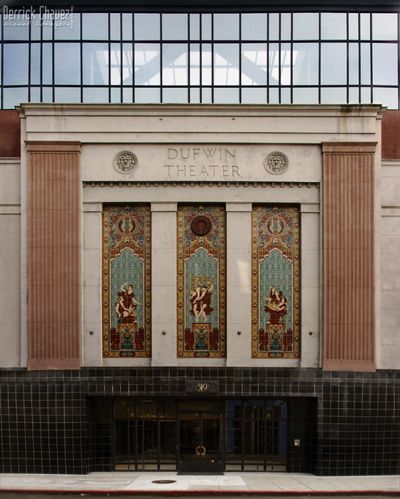
 Oakland School for the Arts to Expand into Historic Dufwin Theater

Oakland School for the Arts (OSA) is set to expand its campus by acquiring the historic Dufwin Theater at 519 17th Street — just a block from its current home at the Fox Theater in Uptown. The move gives the school much-needed classroom space as it continues to grow and outpaces its current footprint.


OSA will begin occupying the basement, ground floor, and fifth floor of the building, with plans to renovate other levels over time. The deal, currently in escrow, is expected to close by the end of the academic year.


Executive Director Mike Oz envisions creating an “arts corridor” along Telegraph Avenue, blending education, performance, and community engagement. Plans also include a storefront at the Fox Theater for a student-run radio station, merch shop, and record label.


In honor of late alum Angus Cloud, the school will also help develop a nearby community park featuring a skate park, soccer field, and more — turning underused space into vibrant community hubs.


“We’re not just staying, we’re doubling down,” Oz said. “We want to flip the narrative and lead by example.”


 Read More Here!


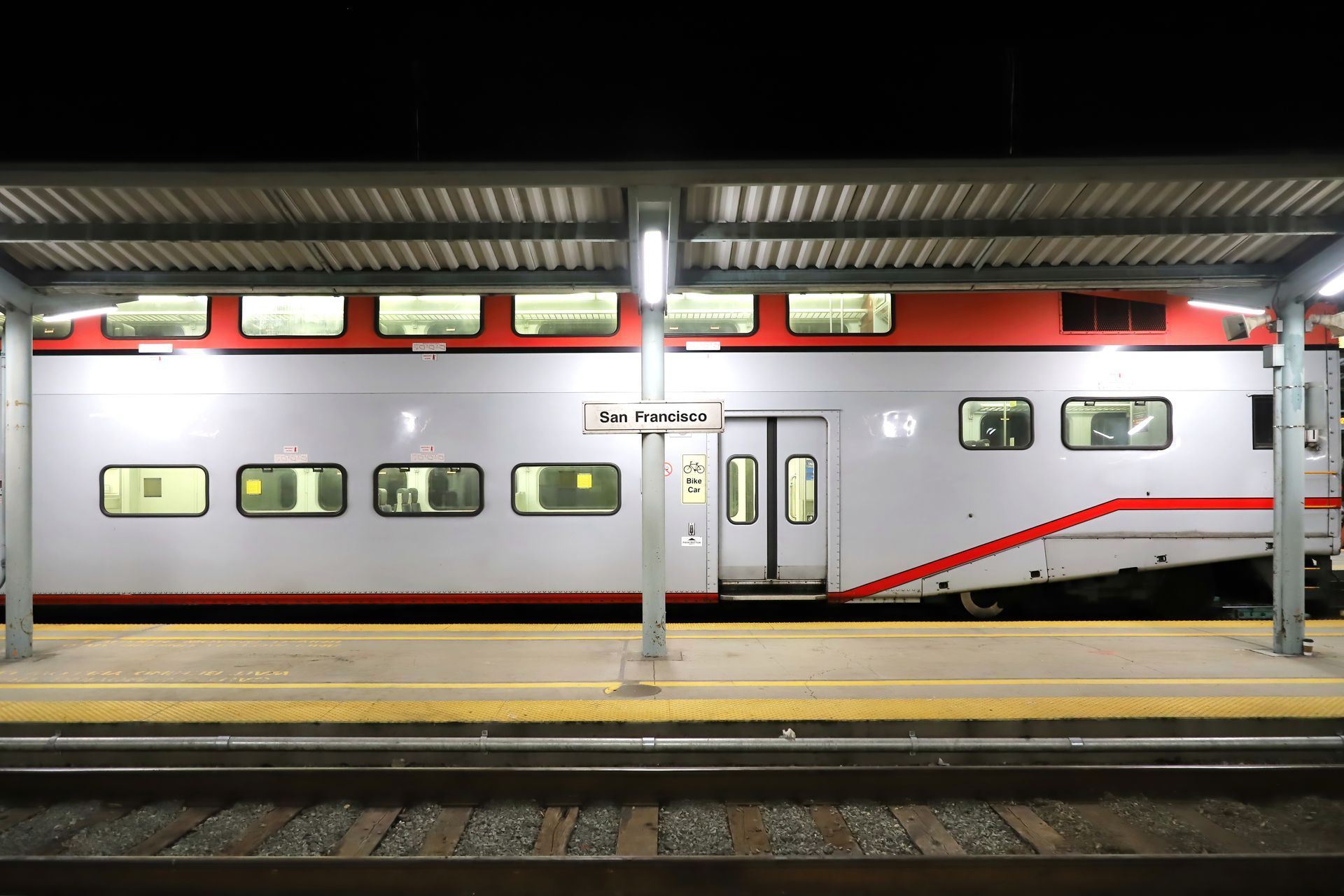
Prologis Proposes Massive Housing Plan at San Francisco Caltrain Railyards


Big plans are in the works for San Francisco’s Caltrain station at Fourth and King. Prologis has announced early plans to transform the 20-acre railyard site into a major transit-oriented neighborhood, including 1,500 to 4,000 new homes.


If approved, the 7-million-square-foot development would be one of the largest housing additions near a major transit hub in the city — second only to the Transbay Terminal. The vision includes high-rise towers (one reaching 850 feet!!), office space, parks, restaurants, a new transit station, and public open space.


This future Central SoMa development aims to bring connection and a vibrant  face to one of the city’s most underused sites, linking Mission Bay, SoMa, and key transit lines like Caltrain and Muni. It also comes at a time when San Francisco faces a  housing shortage and increased pressure to build near transit due to new laws such as SB 79.


Prologis says affordability will be part of the plan, though details are still in progress. City leaders are already urging the developer to make sure the homes are accessible to all income levels.


The project is still in early stages, with formal plans expected later this year and approvals likely years away. But one thing is clear — San Francisco is reimagining what its future neighborhoods could look like, and housing near transit is at the center of it all.


Read More Here!


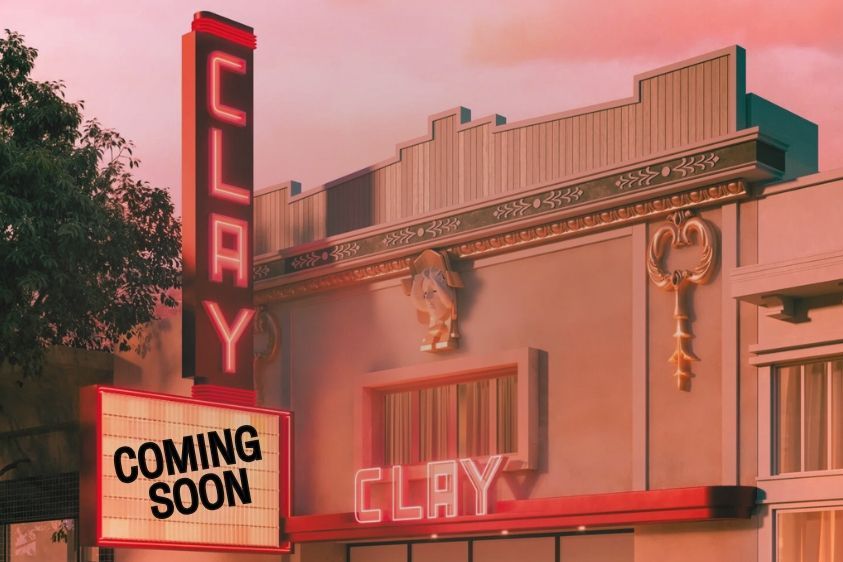
Exciting News for Fillmore Street 🎥


The long-awaited renovation of the historic 112 year old Clay Theater is finally underway, with plans for its return as a single-screen theater! 🎥


Once complete, the theater will feature 200 seats and host over 500 film screenings annually. The renovation is being led by Cody Allen as part of the Upper Fillmore Revitalization Project, with the support of investor Neil Mehta and local donations. Architect firms Page & Turnbull, Min Design, and the Perron-Roettinger design studio are all contributing to this transformative project.


Ted Gerike, who founded Now Instant and led digital content for Metrograph in New York, will direct the Clay, aiming to make it a hub for local voices and global cinema. The project will include 4K digital projection, 35mm film capabilities, enhanced acoustics, and meet modern safety standards. 


A new chapter for Fillmore Street begins today, with the Clay Theater set to be a key part of its cultural and creative revitalization. Can't wait to see this historic space reimagined! 


Learn More Here!

Bay Area Realtor Proposes Transformative Housing Project in San Mateo, Signaling Major Residential Expansion


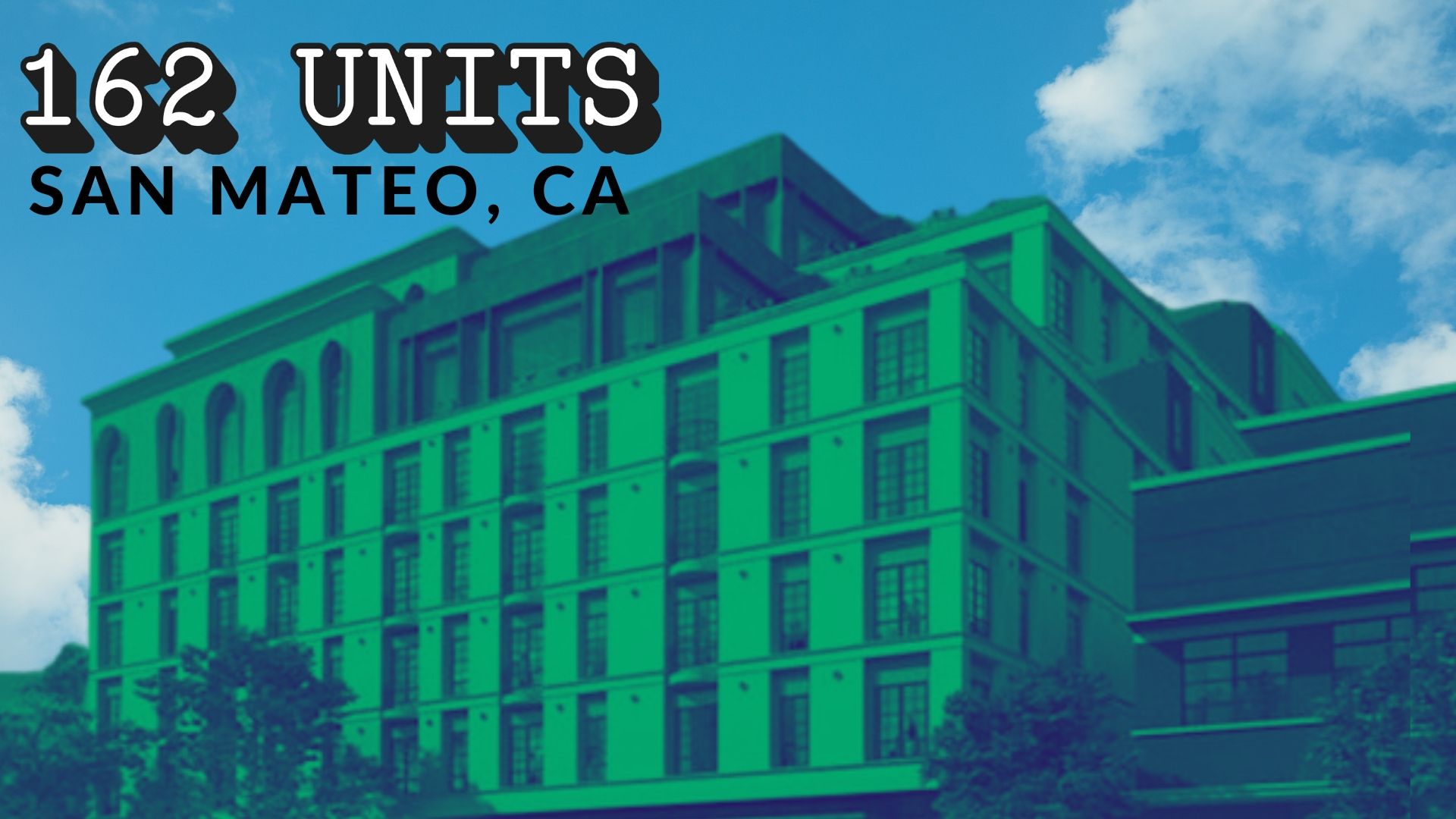
A Bay Area realtor, Zach Trailer, is proposing to redevelop a 75-year-old apartment complex in San Mateo into a modern six-story housing project. His plan includes demolishing a 39-unit building and replacing it with 162 contemporary units, 15% of which would be reserved for lower-income households. This marks a significant increase in density, more than quadrupling the number of housing units, and adding open space and amenities like co-working areas.


The project is part of a broader expansion in San Mateo, which is undergoing its largest residential growth in decades. Following the passage of Measure T in 2024, which lifted height and density limits, over 3,700 new homes are in the works. However, the city still needs to zone for 7,015 new homes by 2031. Despite growing momentum, challenges like high interest rates and tariffs may hinder progress.


Trailer’s project is notable because it replaces an existing apartment complex, potentially with lower rents, which could spark debates over balancing housing growth with protections for current renters. The shift reflects a broader trend where even older housing complexes are being considered for redevelopment.


$540.5M Multifamily Deal Signals Growing Investor Confidence in Bay Area Real Estate Market

A Los Angeles-based investor, PCCP LLC, has made waves in the Bay Area with a $540.5 million acquisition of a 1,770-unit multifamily portfolio across San Francisco and Oakland. This marks one of the largest multifamily transactions in San Francisco since the pandemic and signals a stronger appetite for Bay Area assets.


The acquisition includes 76 apartment buildings, with 66 in San Francisco and 10 in Oakland, purchased from Veritas Investments and Ivanhoe Cambridge. These properties were initially acquired for nearly $750 million between 2018-2021, but PCCP’s purchase values the portfolio at approximately $305,000 per unit, about 30% lower than previous investments.


Why it matters:

  • This is the largest San Francisco multifamily deal of 2025 so far and shows growing optimism for recovery in the Bay Area’s real estate sector.
  • San Francisco’s rent growth has been accelerating, now among the fastest in the U.S., signaling an uptick in market confidence post-pandemic.
  • PCCP’s investment adds to a growing number of institutional players betting on the city’s comeback, joining firms like Fortress Investment Group and Artemis Real Estate Partners.
  • Meanwhile, Oakland continues its early-stage recovery, with new construction deals seeing deep discounts.


PCCP, now one of the larger multifamily investors in San Francisco, will retain Veritas Investments as the property manager. This partnership continues Veritas’ prominent role in the city, despite the loss of a separate, large portfolio earlier this year.


As investor confidence grows, both cities continue to provide opportunities for savvy investors looking to capitalize on multifamily real estate at favorable pricing. Read More Here!


San Francisco’s Pier 29 Set to Become a Thriving Hub for Artists and Creatives


Big news for the Bay Area arts scene — Pier 29 is getting a brand-new palette as San Francisco’s largest artist studio and exhibition space, thanks to an exciting partnership between the San Francisco Port Commission and Community Arts Stabilization Trust (CAST).


In a unanimous decision, the Port Commission officially greenlit the lease agreement that will transform the historic waterfront pier into a vibrant cultural playground. Think artist residencies, public exhibitions, immersive workshops, and creative programs designed to breathe new life into the Embarcadero. After years of underuse since the 2013 America’s Cup, the waterfront is finally getting its artistic spark back.


"Our arts and culture are driving San Francisco’s comeback," said Mayor Daniel Lurie, celebrating the move as a win not just for artists but for the entire city. The project aims to draw locals and visitors alike to a waterfront destination buzzing with creativity.


At the heart of the project is CAST’s vision for reclaiming underutilized spaces for community use. CEO Ken Ikeda shared that Pier 29 is just the beginning — a model for how neglected spaces across the Bay Area (and beyond) can be reimagined for artists and cultural organizations.


One particularly exciting piece of this project is Art + Water, a residency program co-led by renowned author and educator Dave Eggers alongside JD Beltran. Their program will offer affordable six-month residencies where artists can both create and teach, addressing the urgent need for accessible studio spaces and affordable art education in San Francisco.


Pier 29 will feature a  47,000-square-foot indoor event space and a 23,000-square-foot outdoor area, making it one of the most ambitious arts projects on the West Coast. Plans include free public performances, hands-on workshops, and a walk-in gallery where visitors can experience art being made — and even take a piece of the city’s creativity home.


In a time when the Bay Area's artists are constantly battling rising costs and shrinking studio spaces, this transformation of Pier 29 signals opportunity and a recommitment to the arts as the heart of San Francisco.


Stay tuned — Pier 29 is about to become one of the city's brightest cultural beacons!


👋🏻 Bye Bye BART?


BART is considering selling five parcels of land, totaling 235 acres in the East Bay, to help address its budget shortfall caused by decreased ridership during the pandemic. The properties, located in Livermore, Hercules, and Brentwood, are deemed surplus due to changing priorities. BART plans to offer the land to affordable housing developers first, per the Surplus Lands Act. If no developers are interested, the land may be auctioned or listed with a broker. The sales, aimed at closing a budget gap, would need approval from BART's Board of Directors. The parcels, purchased 50 years ago, were initially intended for system expansions, though their sale may affect future projects like the Valley Link Rail. BART estimates the sales could be completed within 2-5 years.


🏢 San Francisco's Plan for 36,000 New Homes


San Francisco’s Planning Department has just rolled out a new rezoning plan to make space for 36,200 new homes, mostly in areas like the Sunset and Richmond districts that have been resistant to development in the past. The plan is a response to state housing requirements, as the city needs to add 82,069 new units by 2031. The zoning changes will allow taller buildings along commercial streets, like 85-foot buildings in the Sunset and Richmond, with incentives for developers to include affordable housing.


This shift marks a big change for San Francisco, especially on the Westside, which has seen much lower density compared to the rest of the city. Some areas, like Van Ness Avenue, could see buildings as tall as 650 feet with bonuses for adding affordable units.


While the plan aims to address the city’s housing crisis, some worry about the impact on tenants, particularly those in low-income housing or small businesses. The city says it has protections in place for residents, but it's unclear what protections commercial tenants will have.

This rezoning is just one piece of the puzzle, though. San Francisco isn’t responsible for actually building the 82,069 units—it’s up to private developers, who are facing high construction costs and stagnant rents. Still, the city hopes that by creating room for growth, it can keep up with demand while preserving its unique vibe. Read more here.


By Sydney Winstead December 12, 2025
*Rendering © Bjarke Ingels Group* Updated plans have been released for 35 South Second Street in Downtown San Jose, a mixed-use development designed by Bjarke Ingels Group (BIG) . The project, referred to as the Fountain Alley development , is scheduled for review by the San Jose Planning Director and reflects a shift from an earlier office-and-housing proposal to a predominantly residential program. Project Overview The revised plans call for two residential towers, rising 27 and 28 stories , with a total of 768 apartments and ground-floor retail. The development is part of a broader downtown San Jose master plan led by Westbank and Urban Community , which includes multiple residential and mixed-use sites throughout the city. The project will span approximately 831,600 square feet , including residential units, ground-floor retail, and basement parking. Bicycle parking is planned for 417 spaces, with vehicular parking located in a multi-level subterranean garage. Change in Use Earlier versions of the project included a stronger emphasis on office space. The updated proposal reflects a reconfiguration toward residential use, consistent with other recent revisions within the larger Westbank and Urban Community portfolio in downtown San Jose. A related site at 180 Park Avenue began demolition and excavation in 2022, though work was paused due to an archaeological discovery. Recent reporting indicates that plans for that site have also been revised to focus on residential units rather than office development. Design and Site Details BIG is serving as the project architect, with Bionic as the landscape architect. Renderings show residential towers with balconies, integrated landscaping, and a pedestrian-oriented plaza connecting South Second Street with surrounding streets. Exterior materials are expected to include aluminum, terracotta-toned glass-fiber-reinforced concrete, and curtainwall glass. The development site occupies approximately 1.25 acres along South Second Street, between Santa Clara Street and San Fernando Street, near the Bank of Italy Tower. Housing Mix and Affordability The project is proposed to include: 177 studios 413 one-bedroom units 152 two-bedroom units 26 three-bedroom units Approximately 5% of the units will be deed-restricted for very low-income households, utilizing California’s State Density Bonus law . Next Steps The project is scheduled for review at a Planning Director Hearing on Wednesday, December 17 , to be held virtually via Zoom with opportunities for public comment. Read more and see renderings here ➡ SF YIMBY
By Sydney Winstead December 11, 2025
New data from RentCafe shows rising competition across San Francisco, Silicon Valley, and the East Bay, with the region’s expanding artificial intelligence sector , tech hiring, and return-to-office trends contributing to stronger rental demand in 2025. Silicon Valley Leads the Region in Rental Demand Silicon Valley recorded the fastest leasing pace in the Bay Area, with apartments renting in an average of 36 days. Comparatively: San Francisco: 42 days East Bay: 44 days Silicon Valley also had the region’s highest occupancy rate at 95.5% , followed by: San Francisco: 94.6% East Bay: 94.1% Applicant demand reflects a competitive landscape shaped in part by continued AI industry expansion: Silicon Valley: 13 applicants per unit San Francisco: 11 applicants East Bay: 10 applicants Slow Construction and High-Tech Job Growth Intensify Competition Apartment inventory growth remains limited throughout the Bay Area: San Francisco: 1.43% growth East Bay: 1.63% Silicon Valley: 2.45% RentCafe notes that reduced construction activity, combined with strong demand generated by AI startups , machine-learning companies , and major tech employers expanding teams , is contributing to a tighter rental market. More Renters Staying in Place Lease renewal rates increased across the region: Silicon Valley: 56.3% East Bay: 52.6% San Francisco: 49.6% Higher renewal rates mean fewer units entering the market — a pressure point amplified by Bay Area job growth in artificial intelligence , software engineering , and cloud computing sectors . Bay Area Performance in National Rankings RentCafe’s 2025 national report shows: Silicon Valley ranked 13th hottest rental market in the U.S. San Francisco ranked No. 42 , up 23 spots from 2024. East Bay ranked No. 53 , up two spots. San Francisco was also identified as the second fastest-rising rental market nationwide, driven by increasing demand from tech and AI professionals , expanding AI research hubs, and larger in-office presence across major employers. How RentCafe Defines the Bay Area Regions San Francisco Region: San Mateo, Redwood City, San Rafael, Petaluma East Bay: Oakland, Walnut Creek, San Ramon, Vacaville Silicon Valley: Palo Alto, Mountain View, San Jose  Read more about the rental demand here!
By Sydney Winstead December 2, 2025
Oakland Ranked the No. 1 Best Food City in America — Bay Area Dominates Condé Nast Traveler’s 2025 List
By Sydney Winstead November 26, 2025
AI-driven wealth fuels record-breaking demand in the Bay Area’s high-end housing market
By Sydney Winstead November 19, 2025
San Francisco Holiday Guide 2025: Best Christmas Events, Lights, Ice Rinks & Pop-Ups
By Sydney Winstead November 18, 2025
After months of disputes, the city is taking a hard stance — and pickleball players aren’t happy.
By Sydney Winstead November 14, 2025
Your Weekly Dose of San Diego
By Sydney Winstead November 14, 2025
Top Things To Do in San Francisco This Weekend
By Sydney Winstead November 14, 2025
Holiday Events in San Diego: Your 2025 Guide San Diego comes alive during the holiday season with festive pop-ups, tree lightings, markets, and coastal celebrations. Whether you’re exploring the city as a visitor or a local, here’s a curated roundup of holiday happenings across the region.
By Sydney Winstead November 12, 2025
From AI breakthroughs to fintech evolution, San Francisco’s 2025 end of the year tech conference lineup is shaping the future of business and innovation. Discover which upcoming events are drawing founders, investors, and global leaders to the Bay Area.