Home Design Trends We’re Seeing Everywhere in 2026
Elevated Home Design Trends Defining 2026
Home design continues to evolve as homeowners embrace natural materials, thoughtful layouts, and more personalized interiors. From warm textures to architectural details, these are the design trends shaping homes in 2026 — plus a few that feel especially at home in San Francisco.
7 Interior Design Trends Defining Homes in 2026
1. Warm Wood Tones Replace Cool Gray Interiors
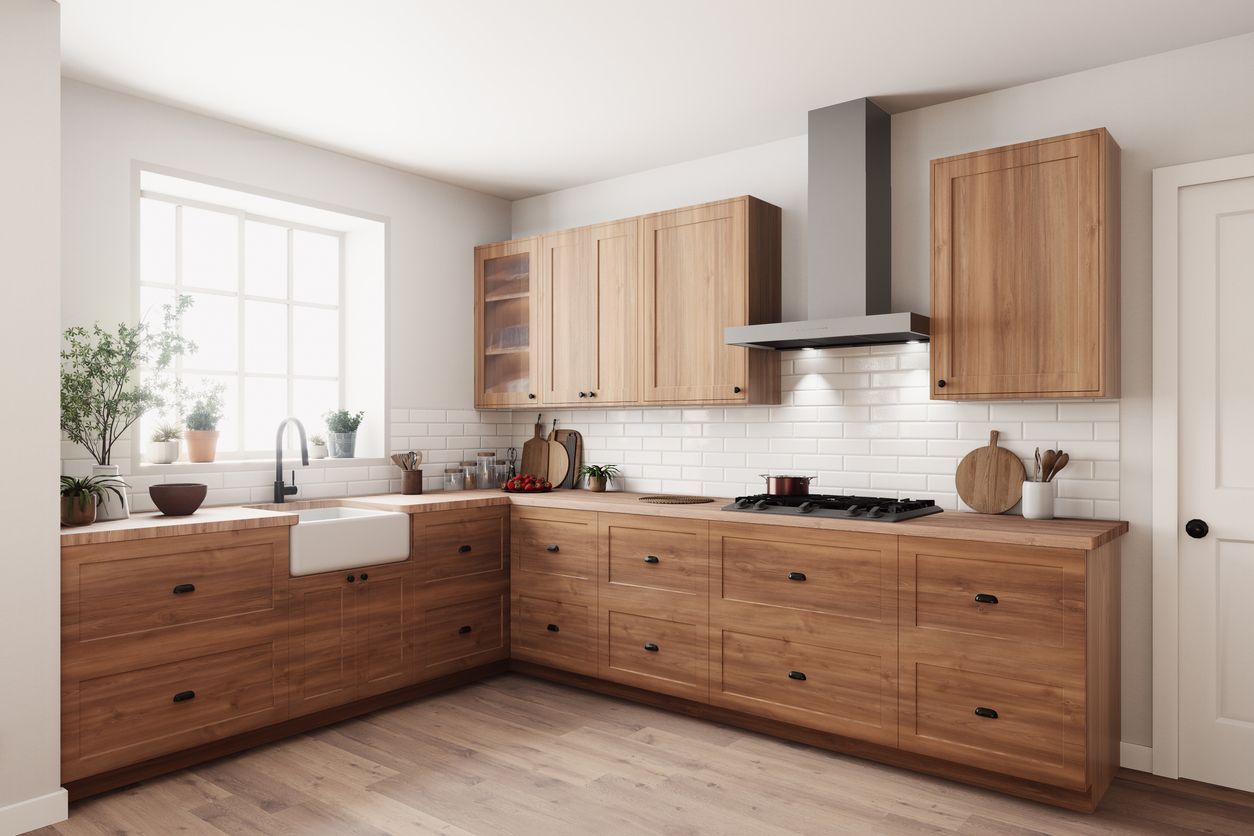
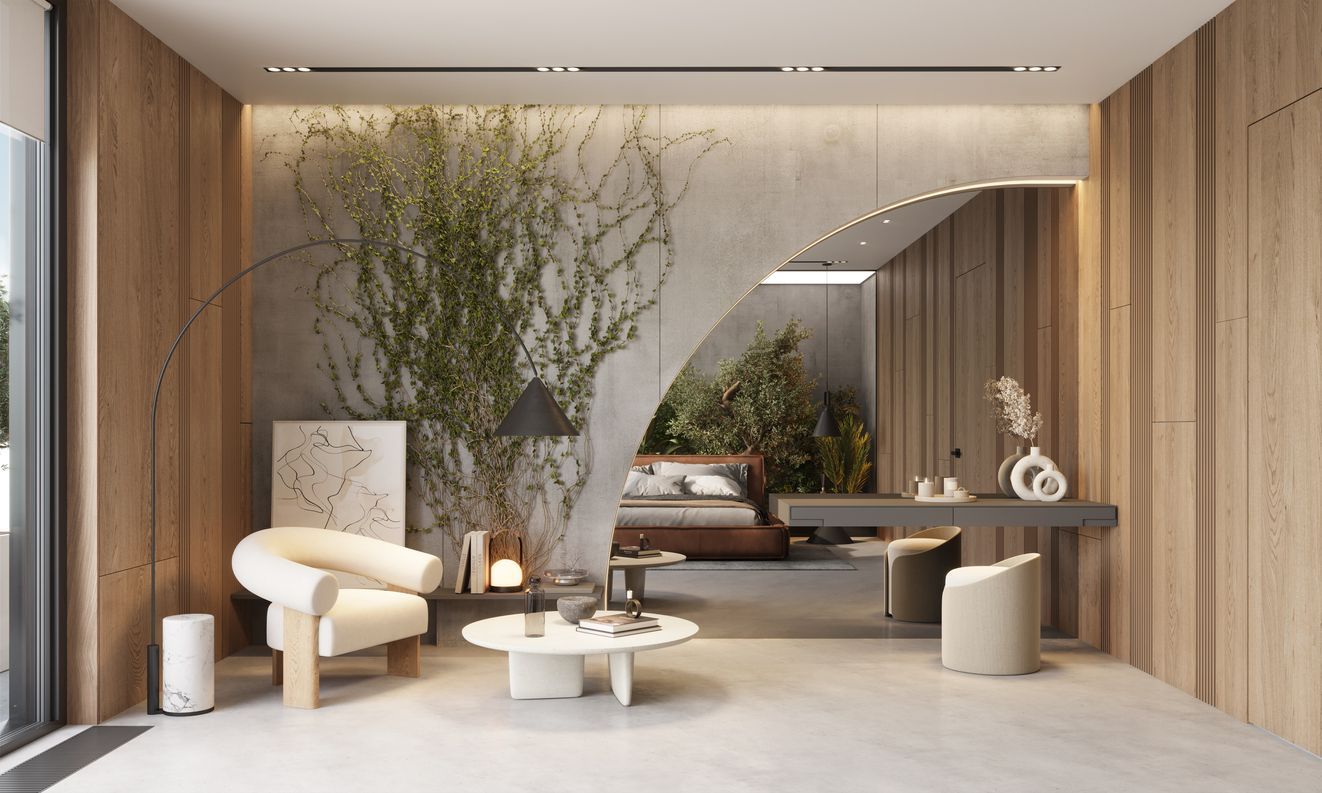
For much of the past decade, cool gray finishes dominated interior design. Today, designers are embracing warmer wood tones that add depth and character to a space. Materials such as oak, walnut, and mahogany are appearing in cabinetry, flooring, and statement furniture pieces.
These richer finishes create interiors that feel timeless and grounded, while also pairing beautifully with natural stone and textured fabrics. Warm wood tones help soften modern spaces and create a more welcoming atmosphere throughout the home.
2. Textured Walls Are Replacing Flat Paint
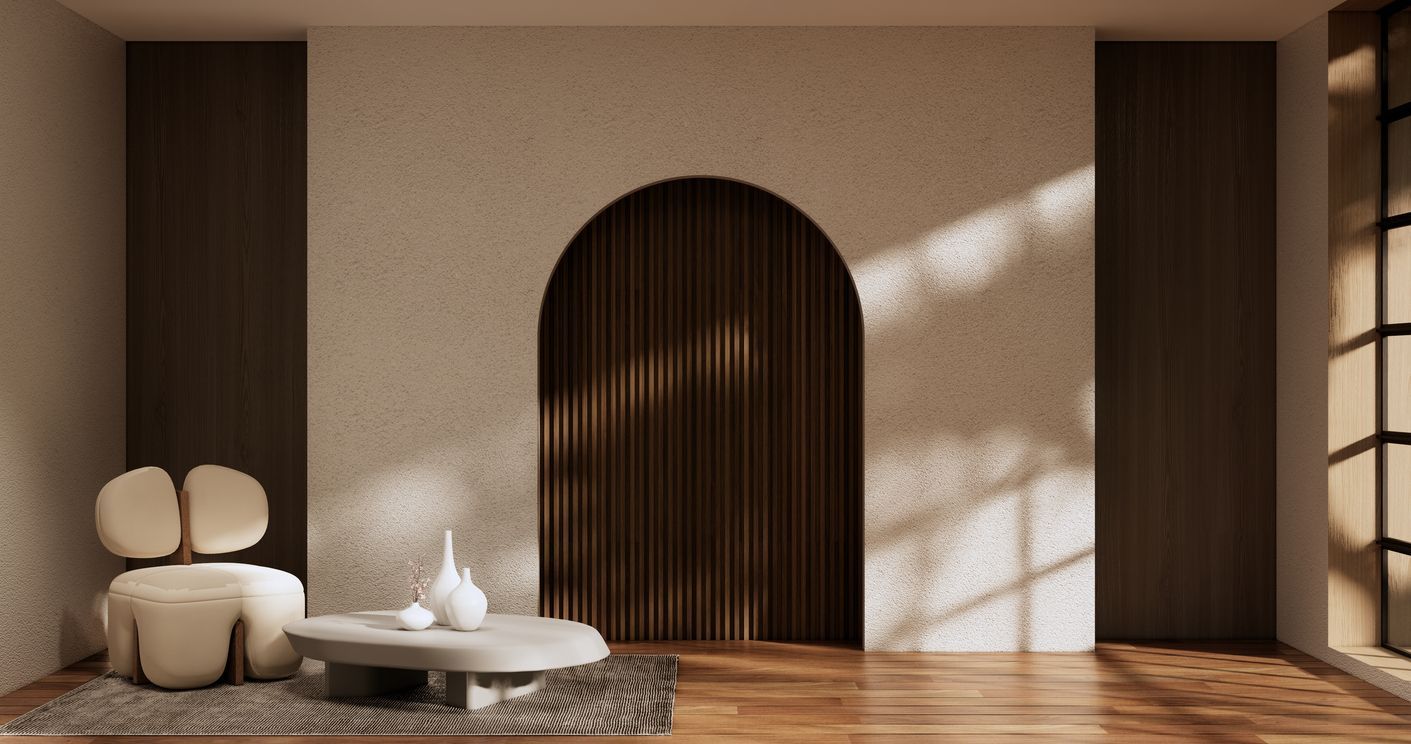
Another major shift in interior design is the return of textured wall finishes. Limewash, Venetian plaster, and clay-based paints are becoming increasingly popular because they introduce subtle movement and depth to a room.
Rather than relying on decorative accents, designers are allowing walls themselves to become a design feature. These finishes interact beautifully with natural light and create interiors that feel layered and refined.
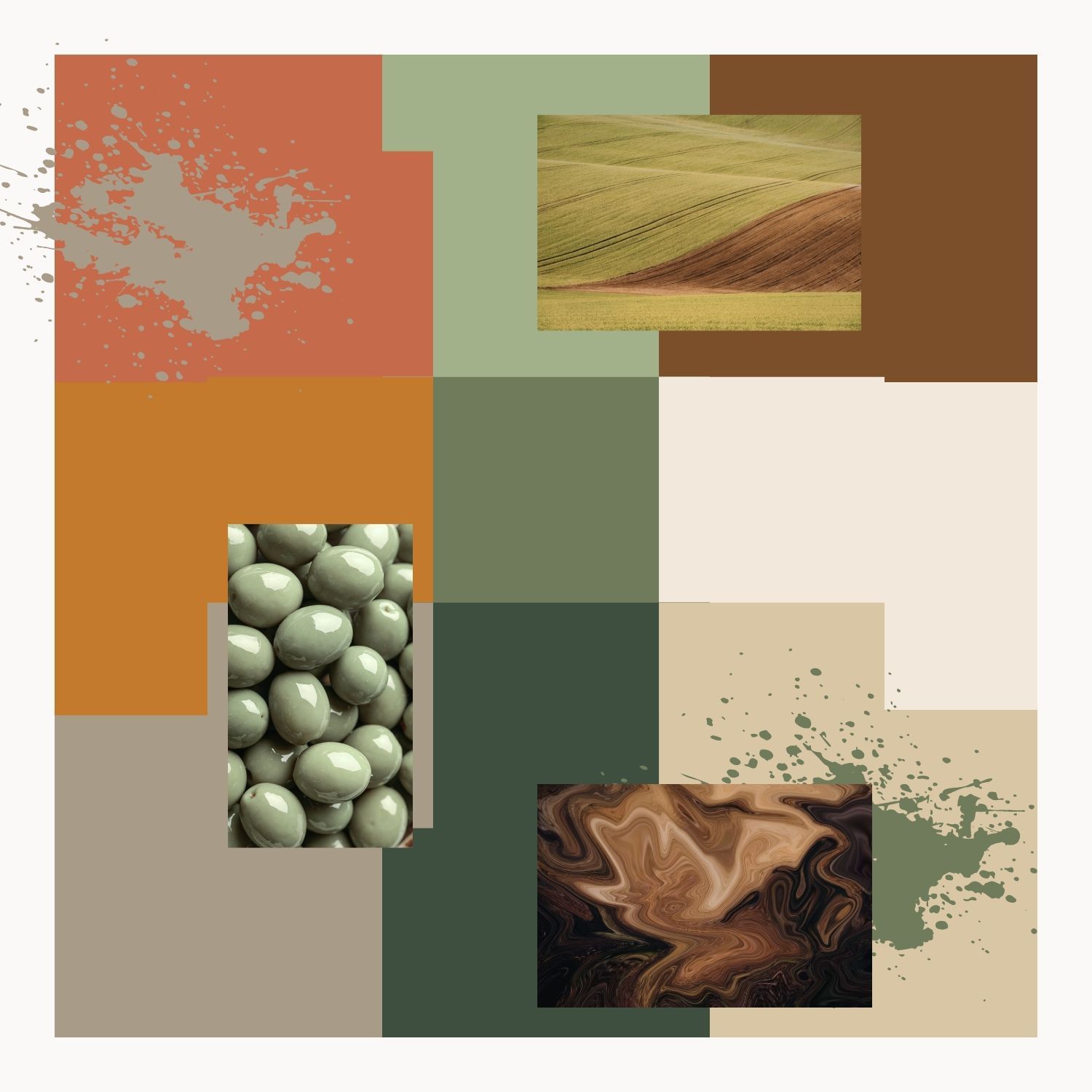
3. Earthy, Nature-Inspired Color Palettes
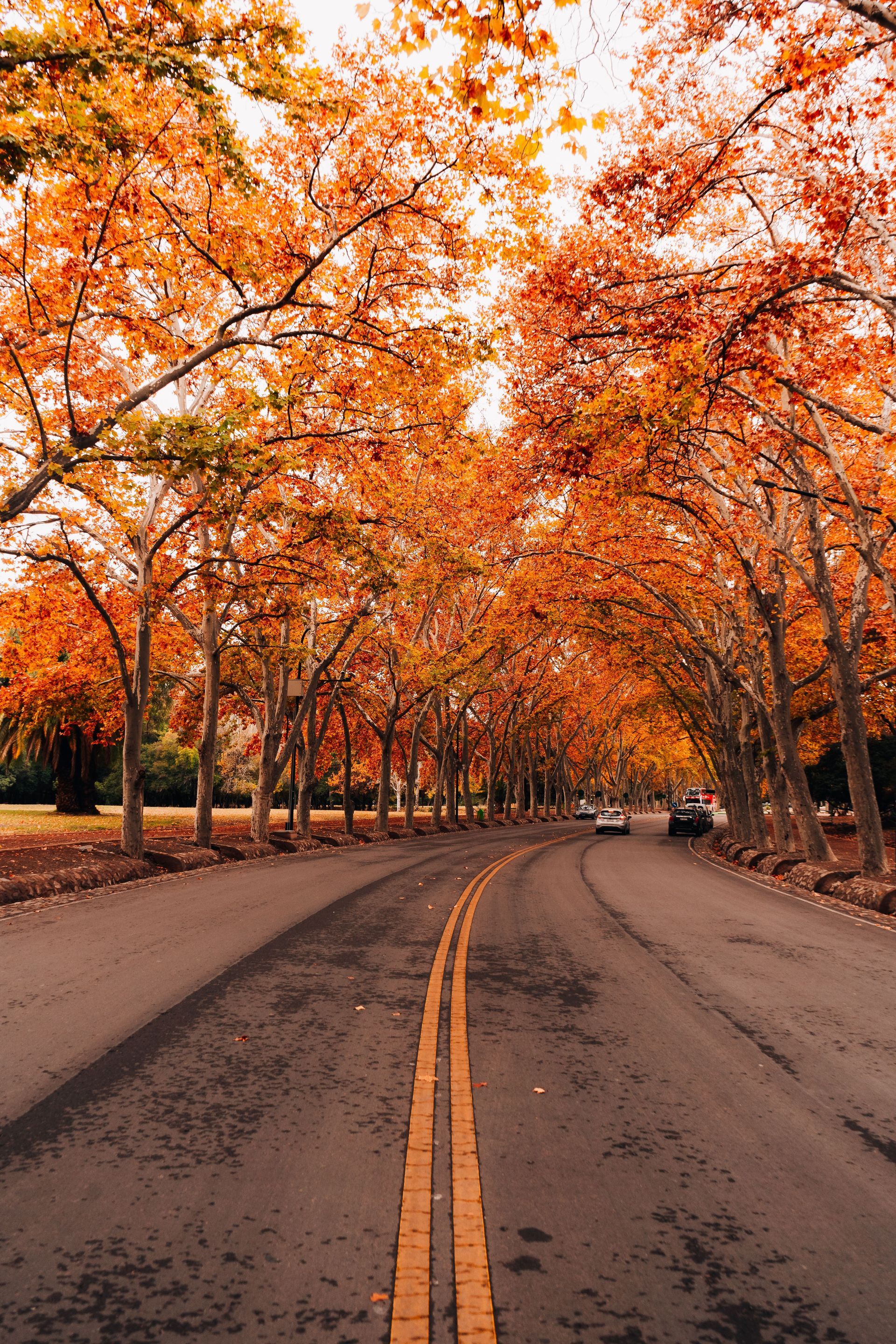
Interior color palettes are also evolving toward tones inspired by nature. Shades like olive green, terracotta, sand, and warm browns are replacing stark whites and cool grays.
These earthy colors create spaces that feel calm and grounded while complementing natural materials such as wood, linen, and stone. Designers often use these palettes to create interiors that feel both contemporary and timeless.
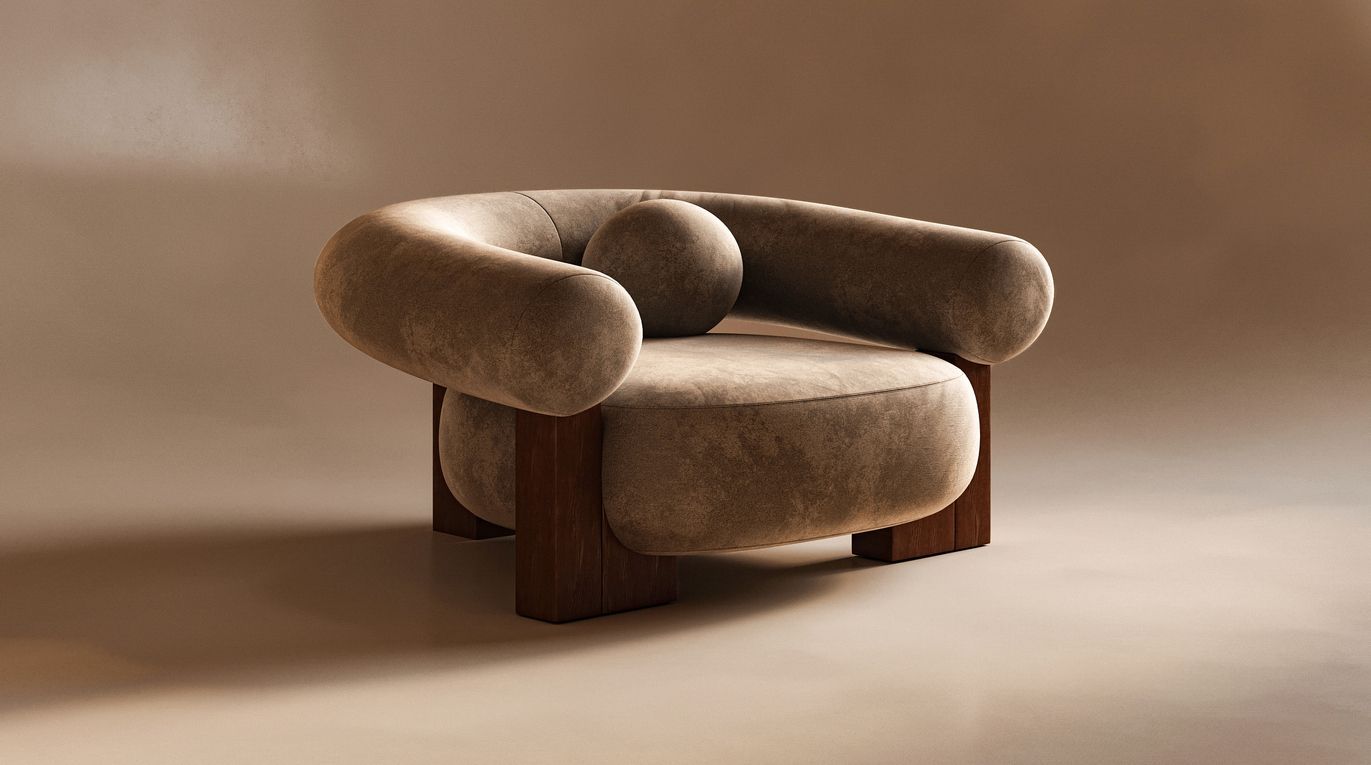
4. Curved and Sculptural Furniture
Designers are increasingly incorporating curved forms into furniture and architecture. Sofas, chairs, and tables with soft edges and sculptural shapes help break up the rigid lines that once defined minimalist interiors.
This shift toward softer silhouettes creates rooms that feel more inviting and visually dynamic. Sculptural furniture also allows homeowners to introduce artistic elements into everyday living spaces.
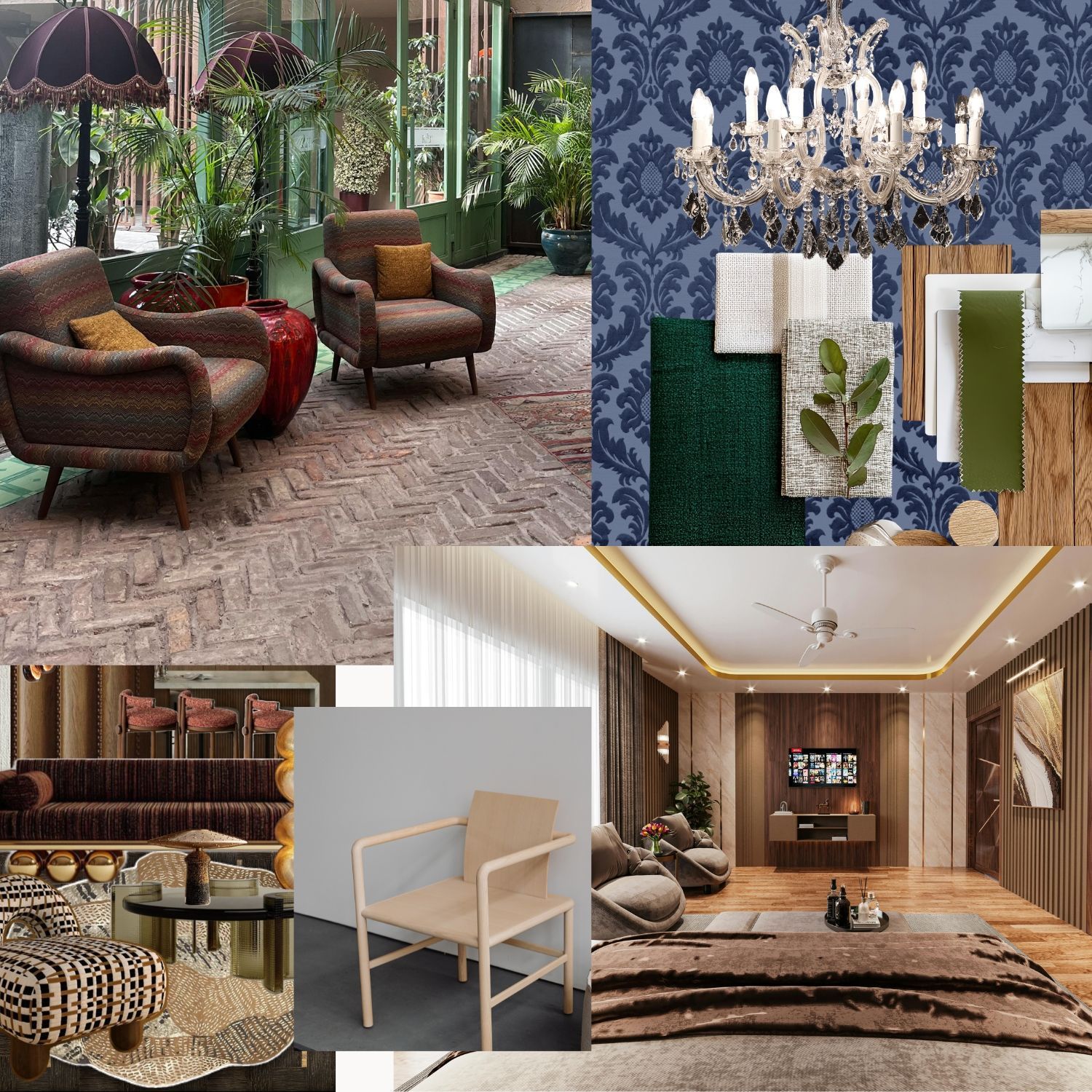
5. Collected, Layered Interiors
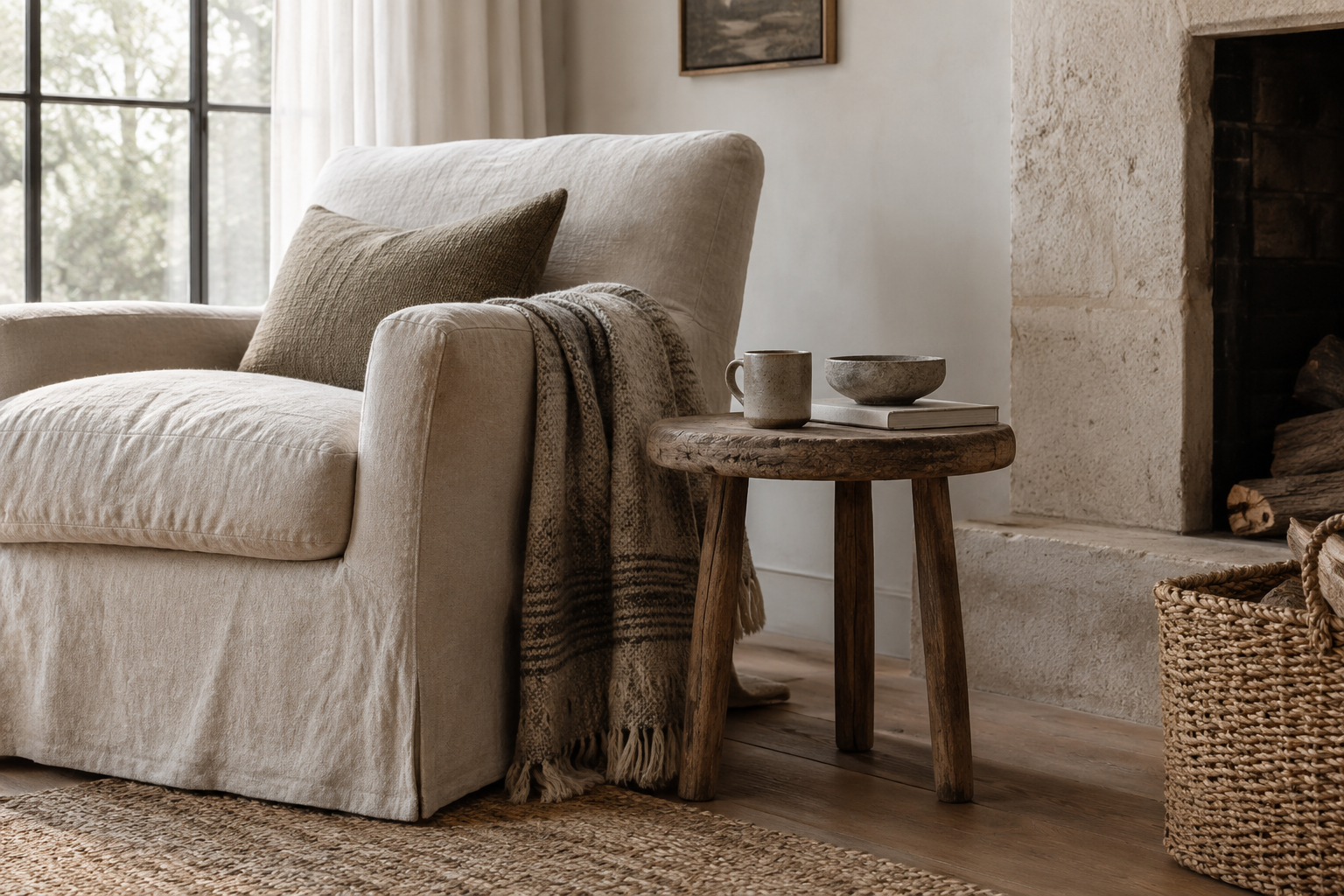
Perfectly staged interiors are giving way to homes that feel curated over time. Designers are encouraging homeowners to mix vintage pieces with contemporary furniture to create spaces that feel authentic and personal.
Antique furniture, art collections, and meaningful decor pieces help bring character to a room while preventing interiors from feeling overly polished. The result is a home that reflects the personality of the people who live there.
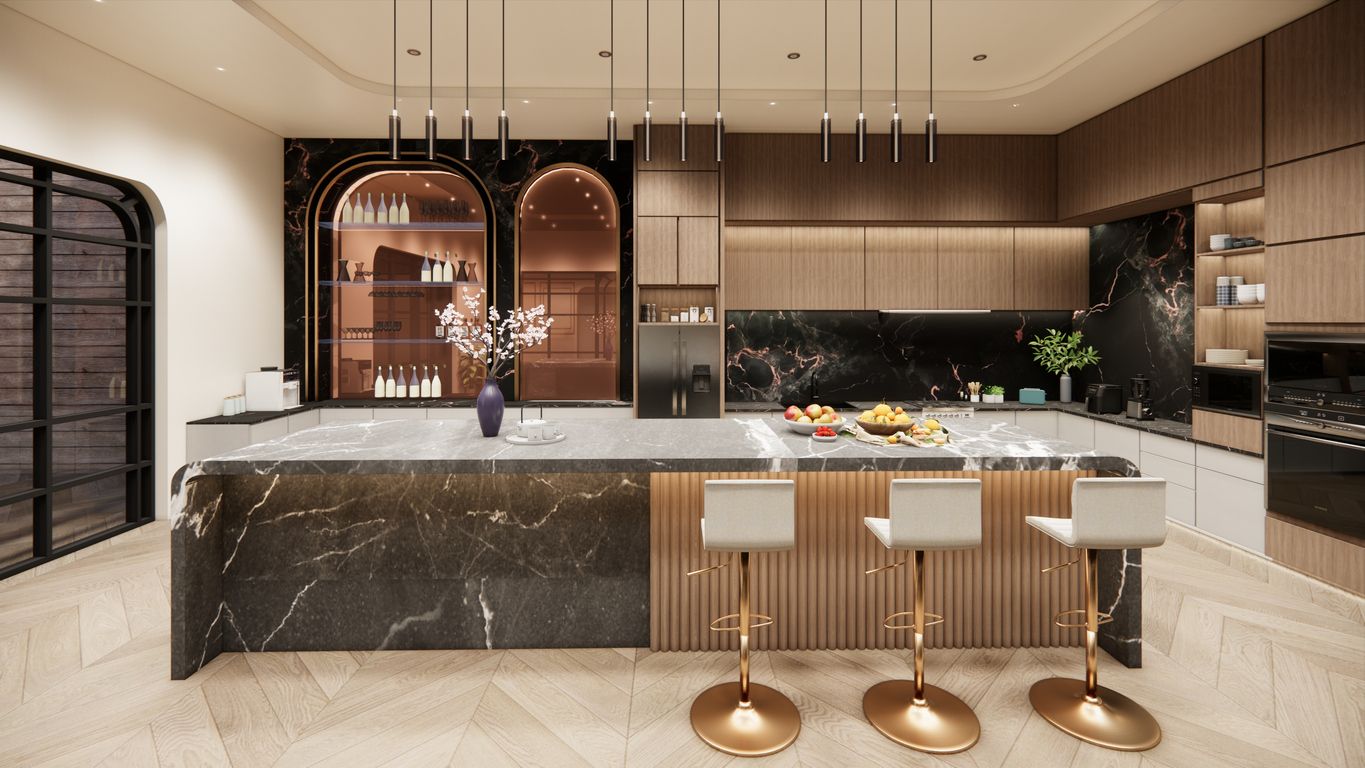
6. Natural Stone and Expressive Materials
Stone is playing a larger role in modern interiors, particularly in kitchens and bathrooms. Materials such as marble, travertine, and quartzite are being used not only for countertops but also for backsplashes, tables, and feature walls.
These materials introduce texture and visual interest while maintaining a timeless aesthetic. Designers are increasingly embracing bold veining and natural imperfections that highlight the beauty of the material itself.
7. Wellness-Focused Home Design
Another growing trend is the integration of wellness into home design. Designers are focusing on elements that support comfort, relaxation, and overall well-being.
Features such as natural light, improved air flow, and calming material palettes help create environments that promote both physical and mental wellness. This approach reflects a broader shift toward homes that support healthier lifestyles.
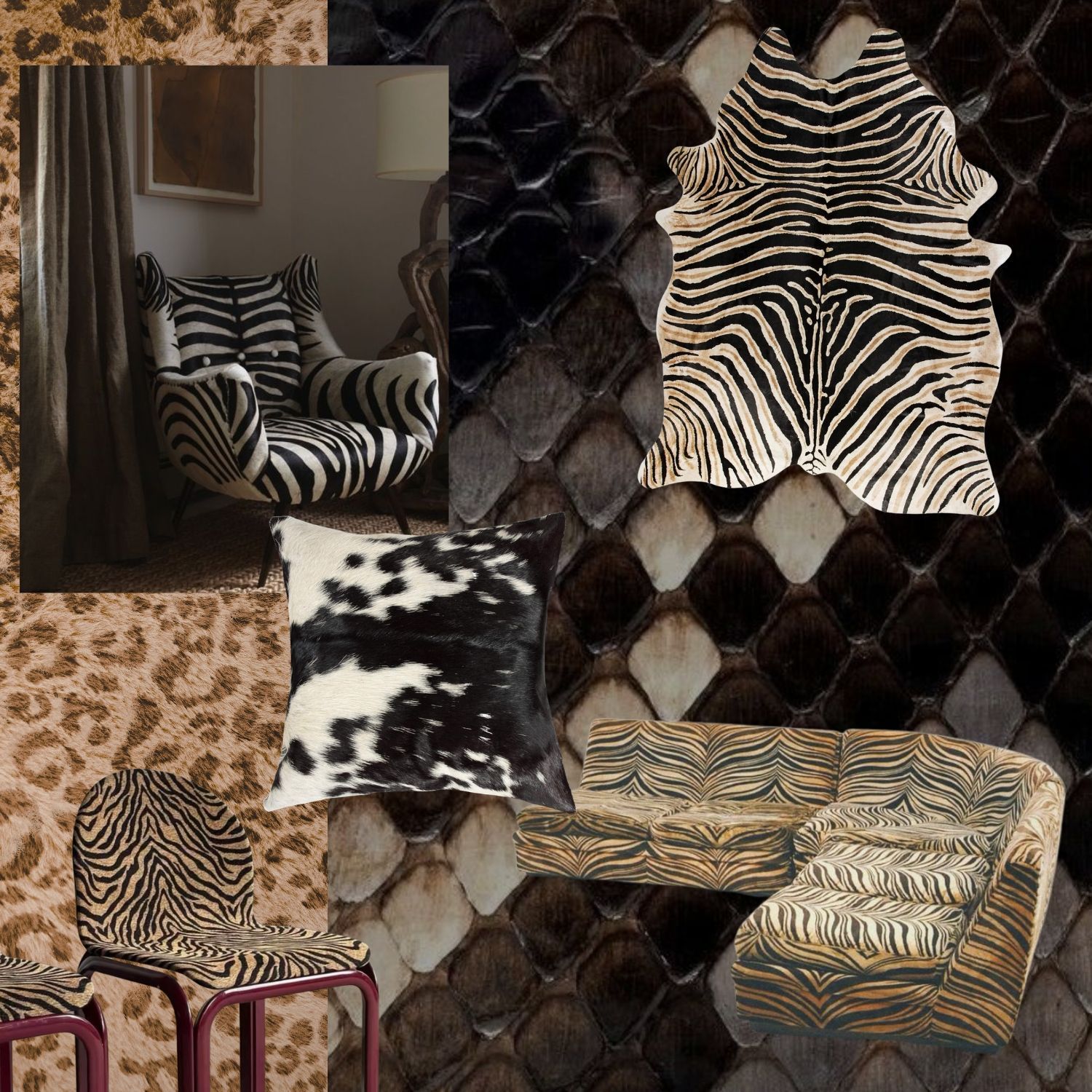
8. Bonus Trend — Authors Pick: Animal Prints as Elevated Neutrals
Animal prints are quietly returning to interiors, but in a more refined way than past trends. Designers are treating patterns like leopard, cheetah, and cowhide as neutral accents rather than bold statement pieces.
When paired with earthy color palettes, natural wood tones, and textured materials, these prints add warmth, depth, and visual interest without overwhelming a space. A leopard pillow, cowhide rug, or subtle printed textile can introduce pattern while still maintaining a grounded, sophisticated interior.
Used sparingly, animal prints bring personality to a room while complementing the natural materials and warm tones defining today’s design trends.
Design Trends Especially Popular in San Francisco Homes
While these global trends are shaping interiors everywhere, a few design influences feel particularly suited to San Francisco homes.
8. Preserving Historic Architecture
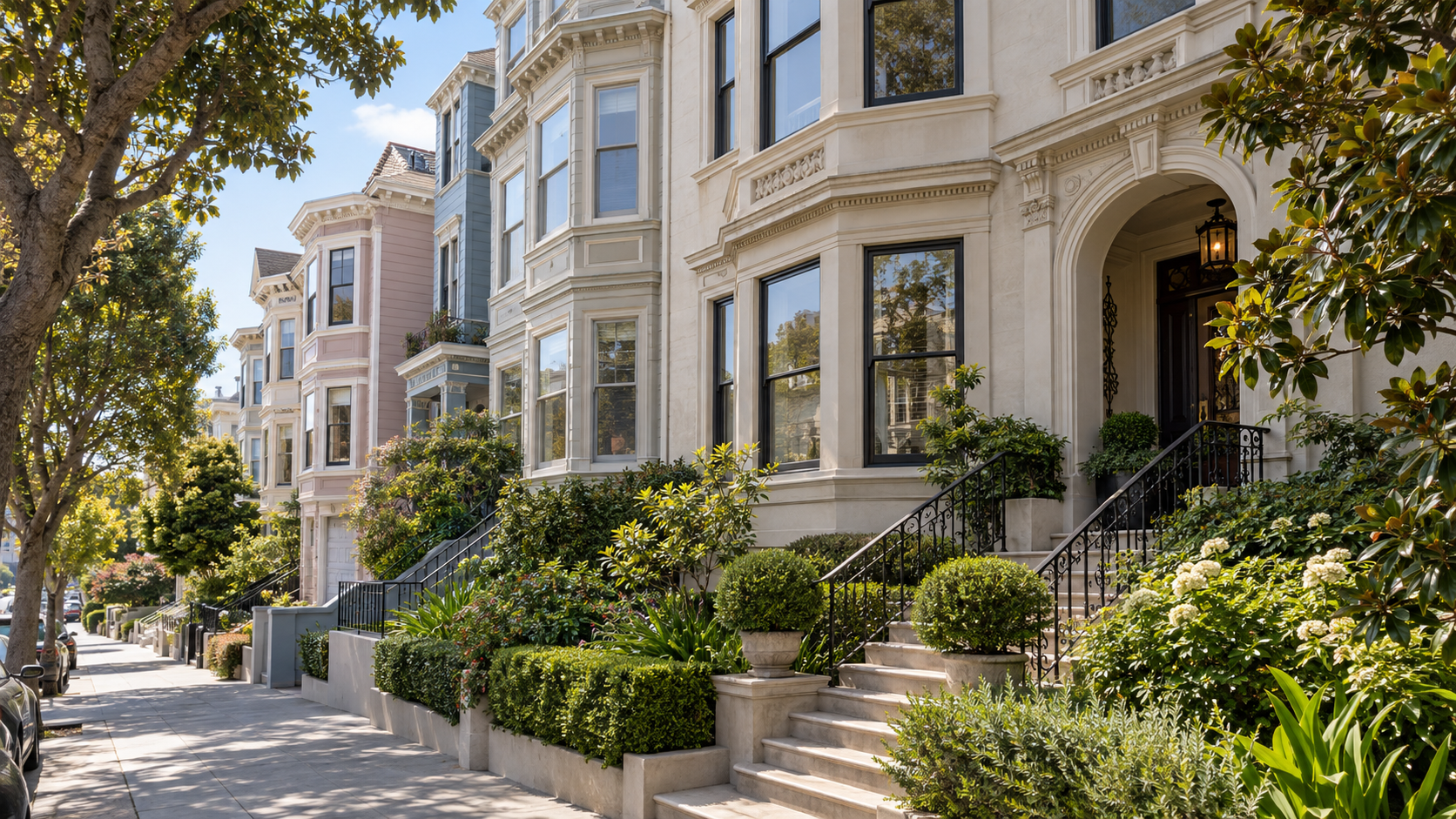
San Francisco’s iconic Victorian and Edwardian homes remain an important part of the city’s design identity. Many homeowners are preserving original details such as ornate moldings, tall ceilings, and decorative facades while modernizing interiors with updated kitchens and contemporary furnishings.
This blend of historic architecture and modern design allows homes to maintain their character while supporting modern lifestyles.
9. Maximizing Natural Light
With San Francisco’s dense urban layout and narrow lots, natural light is often a top design priority. Skylights, larger windows, and lighter interior palettes help brighten homes while emphasizing architectural details.
Designers frequently incorporate reflective materials, glass doors, and mirrors to amplify natural light throughout a space.
10. Smart Design for Compact Living
Many San Francisco homes prioritize efficient design solutions that make smaller spaces feel larger and more functional. Built-in storage, multifunctional furniture, and creative layouts allow homeowners to maximize every square foot.
These thoughtful design solutions create homes that feel both practical and refined, even in compact spaces.
As design trends continue to evolve, homeowners are embracing interiors that balance warmth, texture, and personality. Whether through natural materials, curated decor, or thoughtful architectural details, the homes shaping 2026 reflect a growing desire for spaces that feel both beautiful and livable.