
December Recipe of the Month: Holiday Spiced Gingerbread Cookies
Jackson Salamunovich • December 6, 2024
Holiday Spiced Gingerbread Cookies the AMSI Way
The holiday season is the perfect time to fill your home with the warm, spiced aromas of baking. These Holiday Spiced Gingerbread Cookies are a timeless classic, combining the rich flavors of molasses and seasonal spices with the joy of decorating. Perfect for sharing with loved ones or gifting, these cookies bring the festive spirit to life in every bite. Get ready to roll out some holiday cheer!
Ingredients
- Cookies
- 3 cups all-purpose flour
- 1 teaspoon baking soda
- 1/2 teaspoon salt
- 2 teaspoons ground ginger
- 1 teaspoon ground cinnamon
- 1/4 teaspoon ground cloves
- 1/4 teaspoon ground nutmeg
- 1/2 cup unsalted butter, softened
- 1/2 cup dark brown sugar, packed
- 1/2 cup molasses
- 1 large egg
- 1 teaspoon pure vanilla extract
- Icing
- 1 cup powdered sugar
- 2-3 tablespoons milk
- 1/2 teaspoon vanilla extract
- Food coloring (optional)
Instructions
- Mix the Dry Ingredients
In a medium bowl, whisk together the flour, baking soda, salt, ginger, cinnamon, cloves, and nutmeg. Set aside. - Prepare the Wet Ingredients
In a large mixing bowl, beat the butter and brown sugar together until light and fluffy. Add the molasses, egg, and vanilla extract, mixing until smooth. - Combine and Chill
Gradually add the dry ingredients to the wet ingredients, mixing until the dough comes together. Divide the dough in half, shape into discs, wrap in plastic wrap, and refrigerate for at least 1 hour (or overnight). - Preheat and Roll Out
Preheat your oven to 350°F (175°C). Line baking sheets with parchment paper. Roll out the chilled dough on a lightly floured surface to about 1/4-inch thickness. Use holiday-shaped cookie cutters to cut out shapes. - Bake
Place the cookies on the prepared baking sheets, leaving about 1 inch of space between them. Bake for 8-10 minutes, or until the edges are set. Let the cookies cool on the baking sheet for 5 minutes before transferring to a wire rack to cool completely. - Decorate
Mix the powdered sugar, milk, and vanilla extract in a small bowl to make the icing. Add food coloring if desired. Transfer the icing to a piping bag or a zip-top bag with the corner snipped off. Decorate the cooled cookies with icing and let them set.
Tips for Success
- For softer cookies, roll the dough slightly thicker and bake for 8 minutes.
- For a crispier texture, roll thinner and bake closer to 10 minutes.
- Store cookies in an airtight container for up to 1 week or freeze for up to 3 months.
These gingerbread cookies are perfect for decorating with family and friends or gifting during the holidays. Their warm spices and festive shapes will bring holiday cheer to any gathering! 🎄🍪
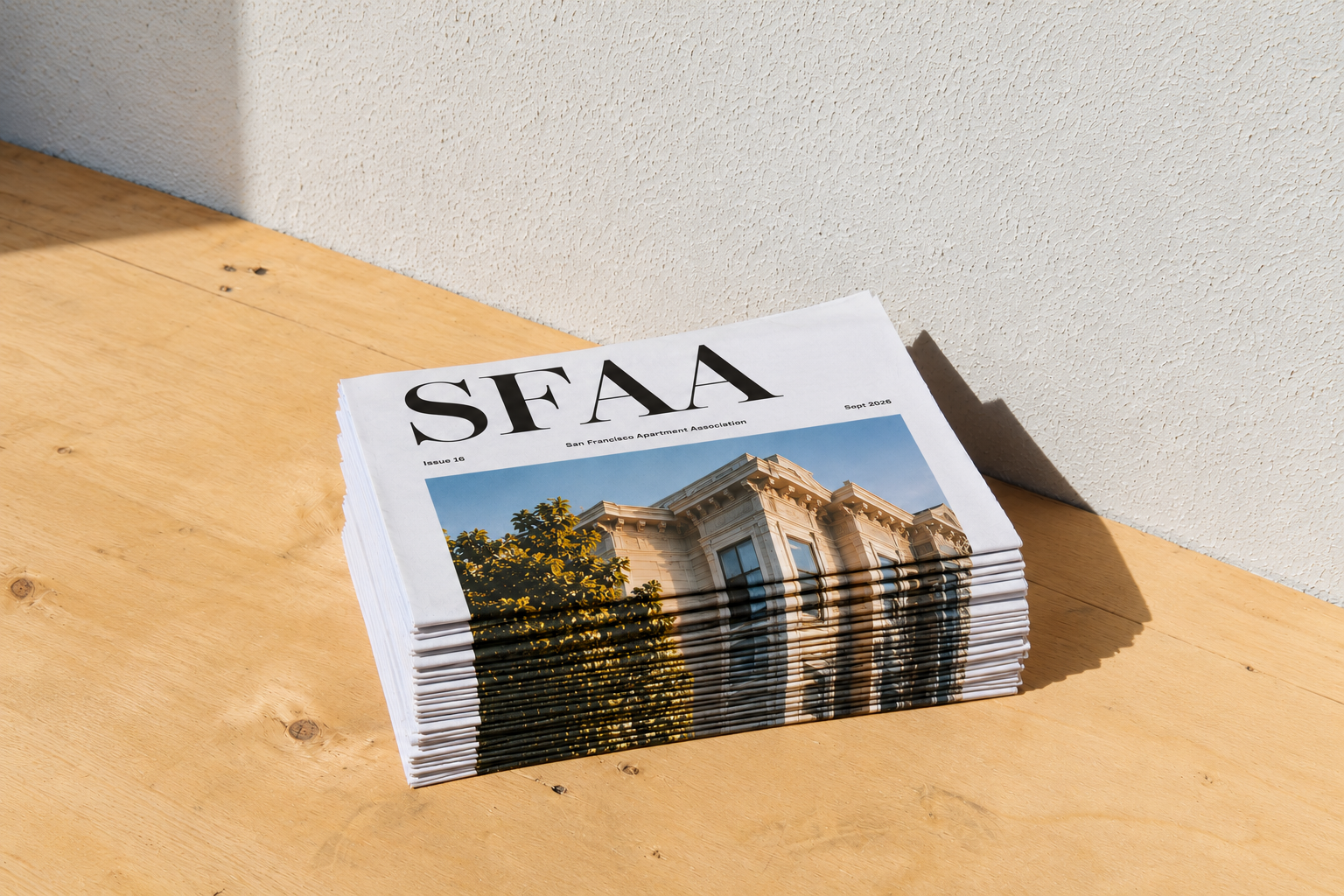
AMSI in the Spotlight: Alex Goffo on San Francisco's Changing Rental Market AMSI's Alex Goffo shares his perspective on the evolving role of leasing agents in the September 2026 issue of SF Apartment Magazine. San Francisco's rental market has experienced significant changes over the past several years, reshaping how property owners attract tenants, market their listings, and navigate an increasingly competitive landscape. In his article, Leasing the Way, published in the September 2026 issue of SF Apartment Magazine, AMSI's Alex Goffo explores how professional leasing agents have become an essential connection between property owners, renters, and the changing market. A Changing Rental Landscape Before the pandemic, many San Francisco property owners managed their own rental listings. As vacancies increased and competition intensified, professional marketing, pricing strategies, and leasing support became increasingly valuable. Today, with rental demand strengthening and workers returning to offices, Alex highlights how the leasing process has evolved beyond simply filling vacancies. Why Professional Representation Matters According to Alex, successful leasing requires more than setting an asking price and publishing a listing. Professional agents help property owners position their properties competitively, coordinate showings, communicate with prospective tenants, and evaluate applications while maintaining fair housing compliance. The goal isn't simply to secure the highest possible rent. It's to make informed decisions that protect a property's long-term value. Looking Ahead As San Francisco's rental market continues to evolve, Alex emphasizes the importance of knowledgeable, responsible representation. His article reinforces a central principle of AMSI's approach: combining local market expertise with thoughtful, personalized service for property owners and renters. We're proud to recognize Alex for contributing his perspective to the San Francisco real estate community. Read Alex's full article, Leasing the Way, in the September 2026 issue of SF Apartment Magazine, pages 34–36 and 48. READ THE FULL ARTICLE →

Good Homes. Happy Tails. Homemade Meals.

San Diego Development Projects to Close Out 2026

Robb Fleischer Calls for a Fresh Look at San Francisco Housing Policy Featured in the August 2026 edition of the San Francisco Apartment Association Magazine In the August 2026 edition of the San Francisco Apartment Association (SFAA) Magazine, AMSI Corporate Broker Robb Fleischer shares his perspective on the future of San Francisco's rental housing market in an open letter titled “A Call to Reexamine Housing Policy, Property Rights, and the Future of San Francisco.” Drawing on more than 45 years of experience as a San Francisco resident and property management professional, Robb examines the growing challenges facing housing providers and the importance of balancing tenant protections with the long-term sustainability of rental housing. The Challenges Facing San Francisco Housing In his letter, Robb discusses the financial pressures affecting rental property owners, including rising insurance premiums, maintenance expenses, regulatory requirements, and construction costs. He also explores how rent regulations, development barriers, and an increasingly complex regulatory environment can influence housing investment and the availability of rental properties. A Call for Constructive Dialogue At the heart of Robb's message is the belief that protecting tenants and maintaining a healthy rental housing market should not be competing objectives. Rather than advocating for the elimination of tenant protections, he encourages policymakers to reexamine the cumulative impact of existing regulations and consider approaches that support affordability, responsible property ownership, and future housing development. His letter calls for a thoughtful conversation about how San Francisco can address its housing challenges while creating a more sustainable environment for both residents and housing providers. Read the Full Article Robb's letter offers a perspective shaped by decades of firsthand experience in San Francisco's rental housing industry. Read “A Call to Reexamine Housing Policy, Property Rights, and the Future of San Francisco” in the August 2026 SFAA Magazine, beginning on page 54. Read the Full Article in SFAA Magazine
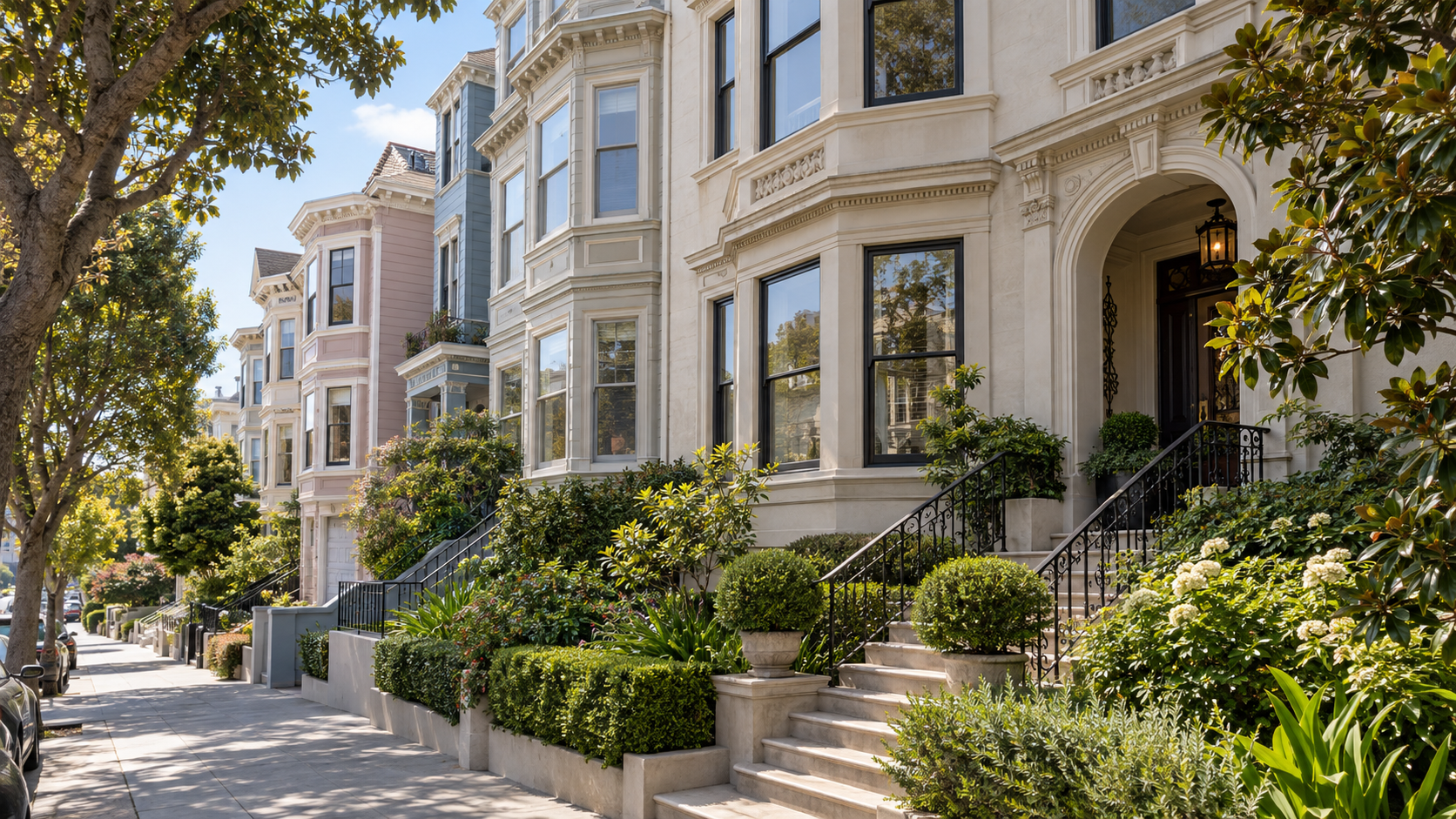
San Francisco multifamily market, September 2026: vacancy at 3.2%, rents up 13.3%, and median per-unit prices from 694 apartment building sales on the SFAR MLS.

Why the End of the Year Can Be a Smart Time to Move

San Francisco Holiday Happenings 2026: Halloween, Thanksgiving and Christmas Events

San Diego Holiday Happenings 2026: Halloween, Thanksgiving and Christmas Events

Seasonal Home Design Trends That Feel Fresh, Not Overdone

Things to Do in San Francisco This Fall 2026