How Proposition 13 Benefits California's Housing Market

Robb F • September 20, 2024

How Does Proposition 13 Impact California’s Housing?

California’s housing market has long been a topic of debate and discussion, and central to that conversation is Proposition 13. Passed in 1978, this landmark legislation drastically changed the state’s property tax system. While it has been a source of both praise and criticism over the decades, Proposition 13 undeniably provides key benefits to the housing market that are worth highlighting. Here’s why:


1. Property Tax Stability and Predictability

One of the key benefits of Proposition 13 is the stability it provides to homeowners. The law caps the annual increase in property taxes to no more than 2% of the property’s assessed value. This cap ensures that homeowners are shielded from the volatility of California’s real estate market, where property values can soar rapidly. By limiting tax increases, homeowners can plan their finances more effectively, knowing their property taxes won’t spike unexpectedly.

This predictability is particularly crucial for long-term homeowners—especially seniors and those on fixed incomes—allowing them to remain in their homes without fear of being priced out by escalating property taxes.


2. Incentivizing Long-Term Ownership

By reducing the tax burden on homeowners, Proposition 13 encourages long-term homeownership. Homeowners who have lived in their homes for years pay significantly lower property taxes than they would without the law. This incentive supports housing market stability, as homeowners are less likely to sell due to tax increases, reducing turnover rates.

Long-term ownership fosters community stability. Neighborhoods with a higher rate of long-term residents often enjoy a greater sense of community, as people are more invested in the maintenance and development of their local areas.


3. Protecting Homeowners from Market Fluctuations

California’s housing market is known for its boom and bust cycles. Without Proposition 13, homeowners could face massive tax hikes during housing booms, even if their incomes remained flat. By decoupling property taxes from market value increases, Proposition 13 protects homeowners from the financial pressures of rising real estate prices.

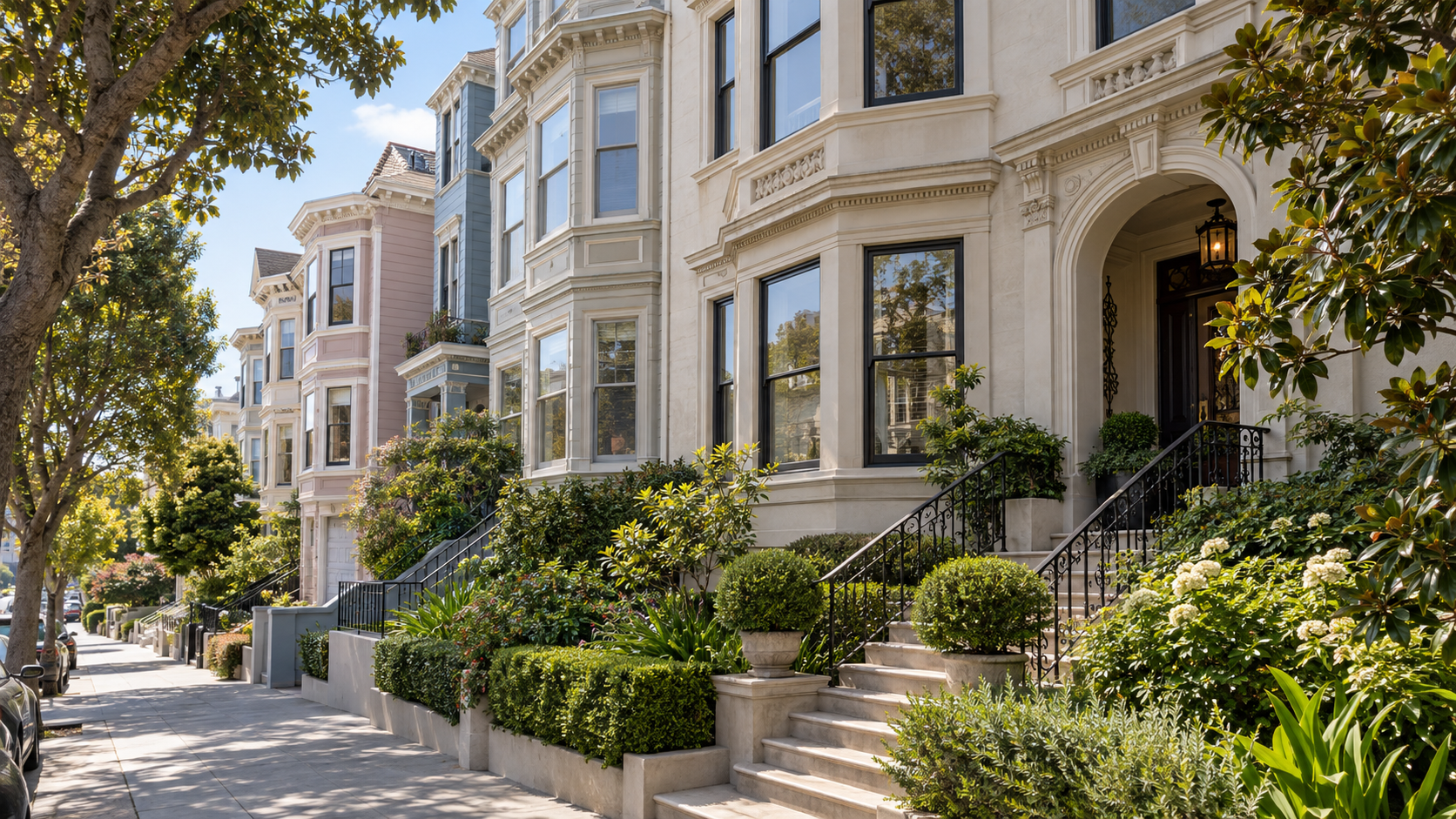
For example, in high-demand cities like San Francisco or Los Angeles, property values have risen dramatically. Without Proposition 13, long-term residents could be taxed out of their homes due to skyrocketing property assessments.


4. Encouraging Investment and Economic Stability

Proposition 13's tax protections extend beyond residential properties. Commercial property owners also benefit from the tax cap, which encourages long-term investment in real estate development. These businesses benefit from stable property tax rates, which in turn fosters economic stability and growth in the state.

Additionally, businesses that can count on stable property taxes are more likely to invest in expansion, contribute to job creation, and support local economies—ultimately benefiting the housing market indirectly through increased demand for housing near job centers.


5. Intergenerational Wealth Transfer

Proposition 13 includes provisions that allow parents to transfer their properties to their children without reassessment to market value. This helps preserve generational wealth, enabling families to pass down homes without saddling future generations with prohibitively high property tax bills. This can be especially critical in high-value markets where property appreciation has outpaced income growth, making it difficult for new generations to afford homeownership.


Addressing the Critics

While Proposition 13 has its critics, particularly regarding its effect on government revenue and public services, it is important to consider the trade-offs. The protections it offers homeowners—especially long-time residents, seniors, and families—help ensure that California remains an attractive and viable place to own a home, despite its high real estate prices.


Conclusion

Proposition 13 continues to play a significant role in shaping California’s housing market. By providing property tax stability, promoting long-term ownership, and shielding homeowners from volatile market conditions, it creates a foundation of financial predictability and community stability. As the debate over housing policy continues, it’s clear that Proposition 13 offers essential benefits that support the overall health and vitality of California’s housing market.

Thank you for reading. Stay tuned for more updates on California housing policies and market trends.


By Sydney Winstead December 12, 2025
*Rendering © Bjarke Ingels Group* Updated plans have been released for 35 South Second Street in Downtown San Jose, a mixed-use development designed by Bjarke Ingels Group (BIG) . The project, referred to as the Fountain Alley development , is scheduled for review by the San Jose Planning Director and reflects a shift from an earlier office-and-housing proposal to a predominantly residential program. Project Overview The revised plans call for two residential towers, rising 27 and 28 stories , with a total of 768 apartments and ground-floor retail. The development is part of a broader downtown San Jose master plan led by Westbank and Urban Community , which includes multiple residential and mixed-use sites throughout the city. The project will span approximately 831,600 square feet , including residential units, ground-floor retail, and basement parking. Bicycle parking is planned for 417 spaces, with vehicular parking located in a multi-level subterranean garage. Change in Use Earlier versions of the project included a stronger emphasis on office space. The updated proposal reflects a reconfiguration toward residential use, consistent with other recent revisions within the larger Westbank and Urban Community portfolio in downtown San Jose. A related site at 180 Park Avenue began demolition and excavation in 2022, though work was paused due to an archaeological discovery. Recent reporting indicates that plans for that site have also been revised to focus on residential units rather than office development. Design and Site Details BIG is serving as the project architect, with Bionic as the landscape architect. Renderings show residential towers with balconies, integrated landscaping, and a pedestrian-oriented plaza connecting South Second Street with surrounding streets. Exterior materials are expected to include aluminum, terracotta-toned glass-fiber-reinforced concrete, and curtainwall glass. The development site occupies approximately 1.25 acres along South Second Street, between Santa Clara Street and San Fernando Street, near the Bank of Italy Tower. Housing Mix and Affordability The project is proposed to include: 177 studios 413 one-bedroom units 152 two-bedroom units 26 three-bedroom units Approximately 5% of the units will be deed-restricted for very low-income households, utilizing California’s State Density Bonus law . Next Steps The project is scheduled for review at a Planning Director Hearing on Wednesday, December 17 , to be held virtually via Zoom with opportunities for public comment. Read more and see renderings here ➡ SF YIMBY
By Sydney Winstead December 11, 2025
New data from RentCafe shows rising competition across San Francisco, Silicon Valley, and the East Bay, with the region’s expanding artificial intelligence sector , tech hiring, and return-to-office trends contributing to stronger rental demand in 2025. Silicon Valley Leads the Region in Rental Demand Silicon Valley recorded the fastest leasing pace in the Bay Area, with apartments renting in an average of 36 days. Comparatively: San Francisco: 42 days East Bay: 44 days Silicon Valley also had the region’s highest occupancy rate at 95.5% , followed by: San Francisco: 94.6% East Bay: 94.1% Applicant demand reflects a competitive landscape shaped in part by continued AI industry expansion: Silicon Valley: 13 applicants per unit San Francisco: 11 applicants East Bay: 10 applicants Slow Construction and High-Tech Job Growth Intensify Competition Apartment inventory growth remains limited throughout the Bay Area: San Francisco: 1.43% growth East Bay: 1.63% Silicon Valley: 2.45% RentCafe notes that reduced construction activity, combined with strong demand generated by AI startups , machine-learning companies , and major tech employers expanding teams , is contributing to a tighter rental market. More Renters Staying in Place Lease renewal rates increased across the region: Silicon Valley: 56.3% East Bay: 52.6% San Francisco: 49.6% Higher renewal rates mean fewer units entering the market — a pressure point amplified by Bay Area job growth in artificial intelligence , software engineering , and cloud computing sectors . Bay Area Performance in National Rankings RentCafe’s 2025 national report shows: Silicon Valley ranked 13th hottest rental market in the U.S. San Francisco ranked No. 42 , up 23 spots from 2024. East Bay ranked No. 53 , up two spots. San Francisco was also identified as the second fastest-rising rental market nationwide, driven by increasing demand from tech and AI professionals , expanding AI research hubs, and larger in-office presence across major employers. How RentCafe Defines the Bay Area Regions San Francisco Region: San Mateo, Redwood City, San Rafael, Petaluma East Bay: Oakland, Walnut Creek, San Ramon, Vacaville Silicon Valley: Palo Alto, Mountain View, San Jose  Read more about the rental demand here!
By Sydney Winstead December 3, 2025
Built in the Bay: Tracking San Francisco’s Growth and Transformation
By Sydney Winstead December 2, 2025
Oakland Ranked the No. 1 Best Food City in America — Bay Area Dominates Condé Nast Traveler’s 2025 List
By Sydney Winstead November 26, 2025
AI-driven wealth fuels record-breaking demand in the Bay Area’s high-end housing market
By Sydney Winstead November 19, 2025
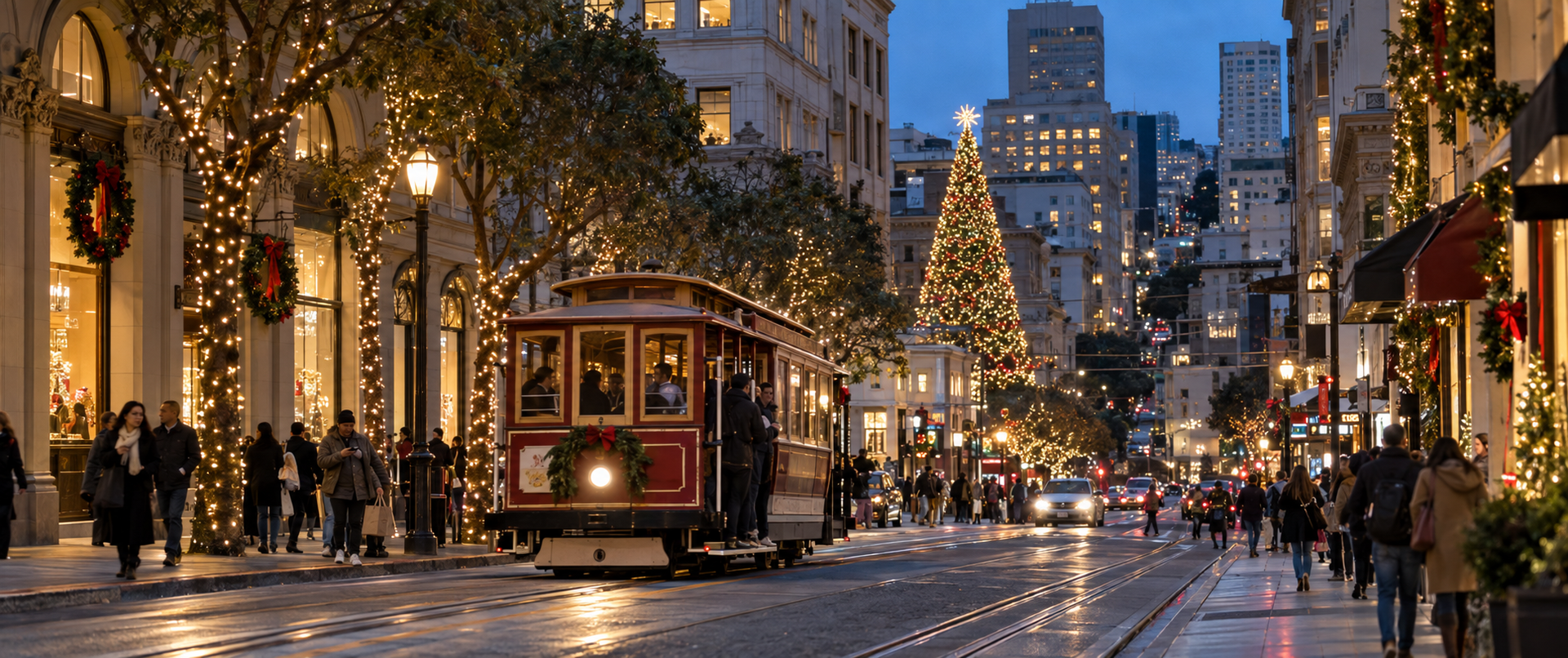
San Francisco Holiday Guide 2025: Best Christmas Events, Lights, Ice Rinks & Pop-Ups
By Sydney Winstead November 18, 2025
After months of disputes, the city is taking a hard stance — and pickleball players aren’t happy.
By Sydney Winstead November 14, 2025
Your Weekly Dose of San Diego
By Sydney Winstead November 14, 2025
Top Things To Do in San Francisco This Weekend
By Sydney Winstead November 14, 2025
Holiday Events in San Diego: Your 2025 Guide San Diego comes alive during the holiday season with festive pop-ups, tree lightings, markets, and coastal celebrations. Whether you’re exploring the city as a visitor or a local, here’s a curated roundup of holiday happenings across the region.