Rent Control and AB-1482

Robb F • November 23, 2021

San Francisco, Oakland, Los Angeles, and many other California cities have had rent and eviction control ordinances for many years.  Landlords, Tenants, and Property Management Companies like AMSI handling apartment rentals in these communities have been well accustomed to the consequences of the often polarizing relationship created by the effects of municipal authority. 
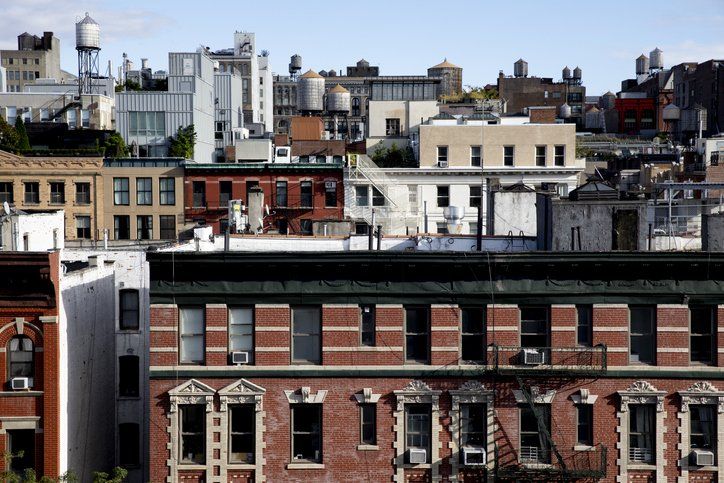

Immediately before the COVID-19 pandemic, California Governor Gavin Newsom signed Assembly Bill 1482 effective January 1, 2020, and expires January 1, 2030, to cap annual rent increases and prevent evictions without just cause, thus creating statewide rent and eviction control.


During the COVID-19 pandemic, many other emergency measures were implemented to help keep tenants in place.  AB-1482, AB-832, AB-91, and AB-3088 created many administrative tasks and disclosures requirements for landlords and property managers to make effectual during 'shelter in place'. 


AB-1482 caps the allowable annual increase to no more than 5% + the local CPI (inflation rate), or 10%, whichever is lower.


If a property is in a municipal jurisdiction with more restrictive annual increases,  then the limitation set forth by the local jurisdiction applies.  For example, in San Francisco under the authority of The San Francisco Rent Board, most apartments with a certificate of occupancy on or before June 13, 1979, are usually covered by rent control Annual increases are limited to 60% of the Consumer Price Index (CPI) for All Urban Consumers in the San Francisco-Oakland-San Jose Region which the rent board published annually by the San Francisco Rent Board or by the San Francisco Apartment Association


Some exemptions apply to both the "just cause' regulation and the rent cap regulation, i.e. units that were constructed within the last 15 years, certain deed restrictions, certain dormitories, two-unit properties where one unit is occupied by an owner of the property during the entire period of tenancy,  and Single-Family homes or condominiums provided that the property is not owned by a REIT, Corporation, or an LLC with at least one corporate member.  The limited exemption for single-family homes does not apply when there is more than one dwelling unit on the same lot or any second residential unit in the building that cannot be sold separately for the subject unit such as an in-law unit.


Single Family Homes including condos have limited rent control coverage, while a single-family home with an illegal in-law unit counts as a 2 unit building.  Annual rent increases may only be imposed annually, but the landlord may 'bank' unimposed annual rent increases and impose the increase another year provided that the landlord follows the banking rules.


If interpreting and applying rent and eviction controls isn't challenging enough, landlords need to be well represented or versed in understanding the many laws of doing business including business tax registration, Subletting, Short-Term Rentals, Interest on Security Deposits, and maintenance and repairs.


If you need assistance with Property Management or leasing a long-term or shorter-term furnished rental property, the bonded and licensed management team and rental agents of AMSI are here to help. Feel free to contact us anytime.


This article is not intended to be legal advice.


By Sydney Winstead December 12, 2025
*Rendering © Bjarke Ingels Group* Updated plans have been released for 35 South Second Street in Downtown San Jose, a mixed-use development designed by Bjarke Ingels Group (BIG) . The project, referred to as the Fountain Alley development , is scheduled for review by the San Jose Planning Director and reflects a shift from an earlier office-and-housing proposal to a predominantly residential program. Project Overview The revised plans call for two residential towers, rising 27 and 28 stories , with a total of 768 apartments and ground-floor retail. The development is part of a broader downtown San Jose master plan led by Westbank and Urban Community , which includes multiple residential and mixed-use sites throughout the city. The project will span approximately 831,600 square feet , including residential units, ground-floor retail, and basement parking. Bicycle parking is planned for 417 spaces, with vehicular parking located in a multi-level subterranean garage. Change in Use Earlier versions of the project included a stronger emphasis on office space. The updated proposal reflects a reconfiguration toward residential use, consistent with other recent revisions within the larger Westbank and Urban Community portfolio in downtown San Jose. A related site at 180 Park Avenue began demolition and excavation in 2022, though work was paused due to an archaeological discovery. Recent reporting indicates that plans for that site have also been revised to focus on residential units rather than office development. Design and Site Details BIG is serving as the project architect, with Bionic as the landscape architect. Renderings show residential towers with balconies, integrated landscaping, and a pedestrian-oriented plaza connecting South Second Street with surrounding streets. Exterior materials are expected to include aluminum, terracotta-toned glass-fiber-reinforced concrete, and curtainwall glass. The development site occupies approximately 1.25 acres along South Second Street, between Santa Clara Street and San Fernando Street, near the Bank of Italy Tower. Housing Mix and Affordability The project is proposed to include: 177 studios 413 one-bedroom units 152 two-bedroom units 26 three-bedroom units Approximately 5% of the units will be deed-restricted for very low-income households, utilizing California’s State Density Bonus law . Next Steps The project is scheduled for review at a Planning Director Hearing on Wednesday, December 17 , to be held virtually via Zoom with opportunities for public comment. Read more and see renderings here ➡ SF YIMBY
By Sydney Winstead December 11, 2025
New data from RentCafe shows rising competition across San Francisco, Silicon Valley, and the East Bay, with the region’s expanding artificial intelligence sector , tech hiring, and return-to-office trends contributing to stronger rental demand in 2025. Silicon Valley Leads the Region in Rental Demand Silicon Valley recorded the fastest leasing pace in the Bay Area, with apartments renting in an average of 36 days. Comparatively: San Francisco: 42 days East Bay: 44 days Silicon Valley also had the region’s highest occupancy rate at 95.5% , followed by: San Francisco: 94.6% East Bay: 94.1% Applicant demand reflects a competitive landscape shaped in part by continued AI industry expansion: Silicon Valley: 13 applicants per unit San Francisco: 11 applicants East Bay: 10 applicants Slow Construction and High-Tech Job Growth Intensify Competition Apartment inventory growth remains limited throughout the Bay Area: San Francisco: 1.43% growth East Bay: 1.63% Silicon Valley: 2.45% RentCafe notes that reduced construction activity, combined with strong demand generated by AI startups , machine-learning companies , and major tech employers expanding teams , is contributing to a tighter rental market. More Renters Staying in Place Lease renewal rates increased across the region: Silicon Valley: 56.3% East Bay: 52.6% San Francisco: 49.6% Higher renewal rates mean fewer units entering the market — a pressure point amplified by Bay Area job growth in artificial intelligence , software engineering , and cloud computing sectors . Bay Area Performance in National Rankings RentCafe’s 2025 national report shows: Silicon Valley ranked 13th hottest rental market in the U.S. San Francisco ranked No. 42 , up 23 spots from 2024. East Bay ranked No. 53 , up two spots. San Francisco was also identified as the second fastest-rising rental market nationwide, driven by increasing demand from tech and AI professionals , expanding AI research hubs, and larger in-office presence across major employers. How RentCafe Defines the Bay Area Regions San Francisco Region: San Mateo, Redwood City, San Rafael, Petaluma East Bay: Oakland, Walnut Creek, San Ramon, Vacaville Silicon Valley: Palo Alto, Mountain View, San Jose  Read more about the rental demand here!
By Sydney Winstead December 3, 2025
Built in the Bay: Tracking San Francisco’s Growth and Transformation
By Sydney Winstead December 2, 2025
Oakland Ranked the No. 1 Best Food City in America — Bay Area Dominates Condé Nast Traveler’s 2025 List
By Sydney Winstead November 26, 2025
AI-driven wealth fuels record-breaking demand in the Bay Area’s high-end housing market
By Sydney Winstead November 19, 2025
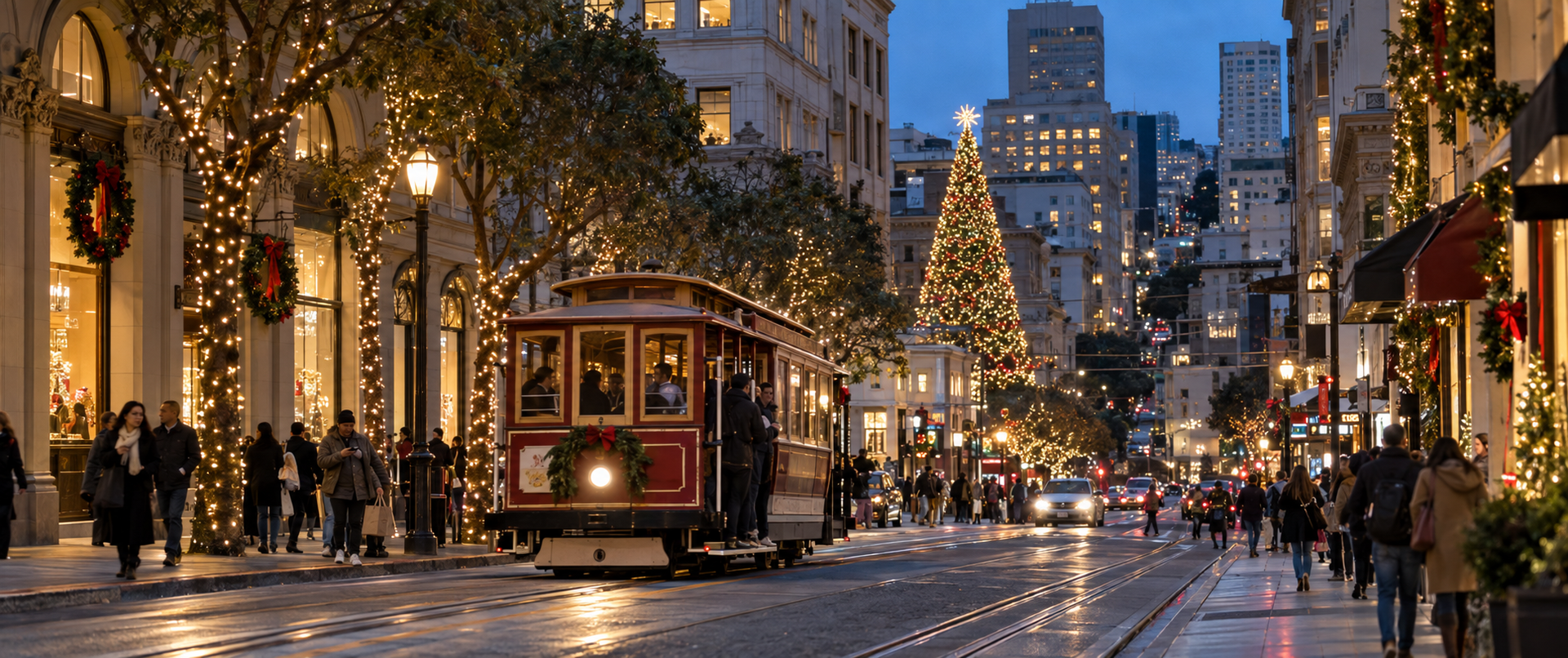
San Francisco Holiday Guide 2025: Best Christmas Events, Lights, Ice Rinks & Pop-Ups
By Sydney Winstead November 18, 2025
After months of disputes, the city is taking a hard stance — and pickleball players aren’t happy.
By Sydney Winstead November 14, 2025
Your Weekly Dose of San Diego
By Sydney Winstead November 14, 2025
Top Things To Do in San Francisco This Weekend
By Sydney Winstead November 14, 2025
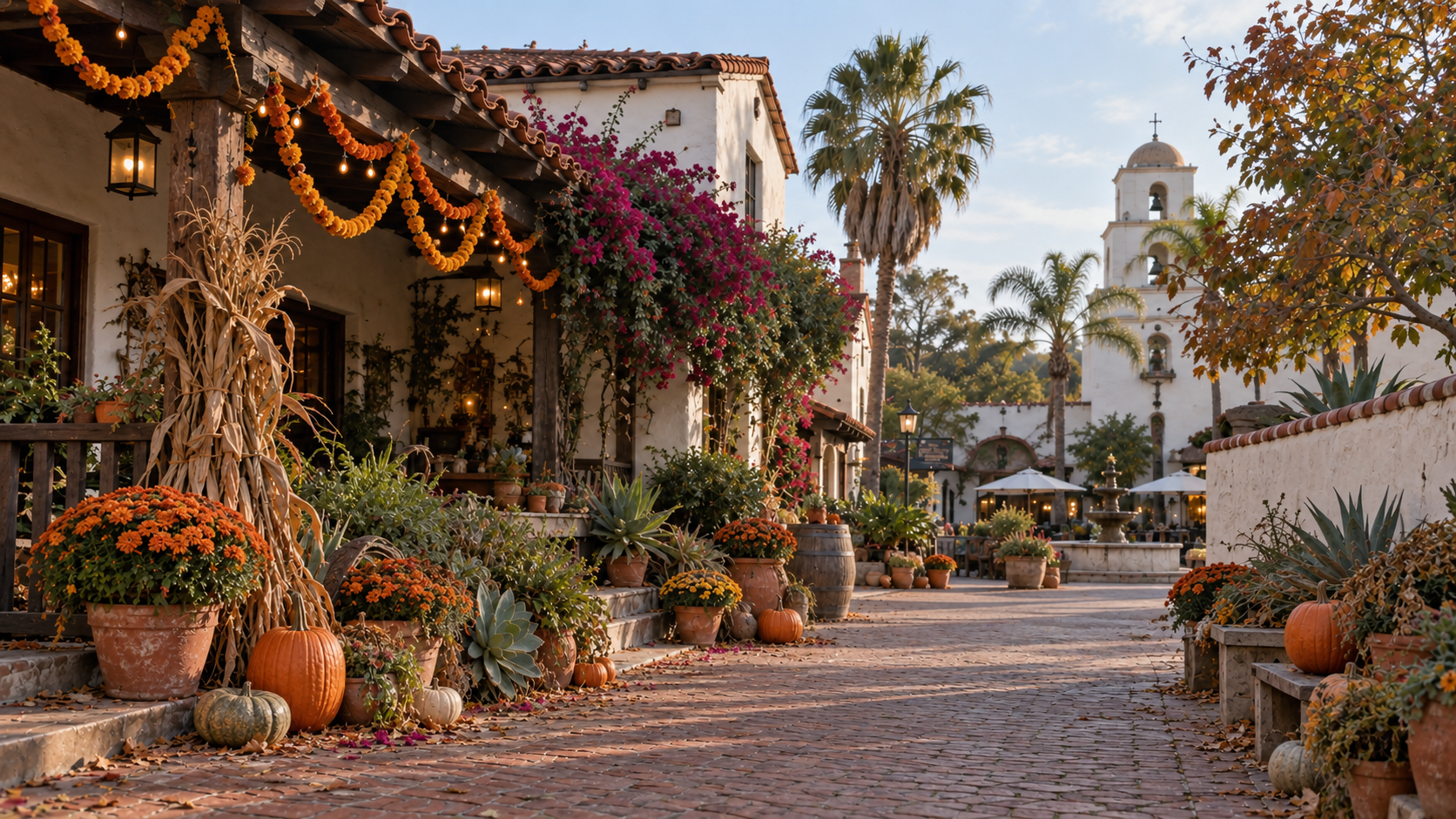
Holiday Events in San Diego: Your 2025 Guide San Diego comes alive during the holiday season with festive pop-ups, tree lightings, markets, and coastal celebrations. Whether you’re exploring the city as a visitor or a local, here’s a curated roundup of holiday happenings across the region.