Retiring in Costa Rica
Why It's the World’s #1 Choice for Retirement
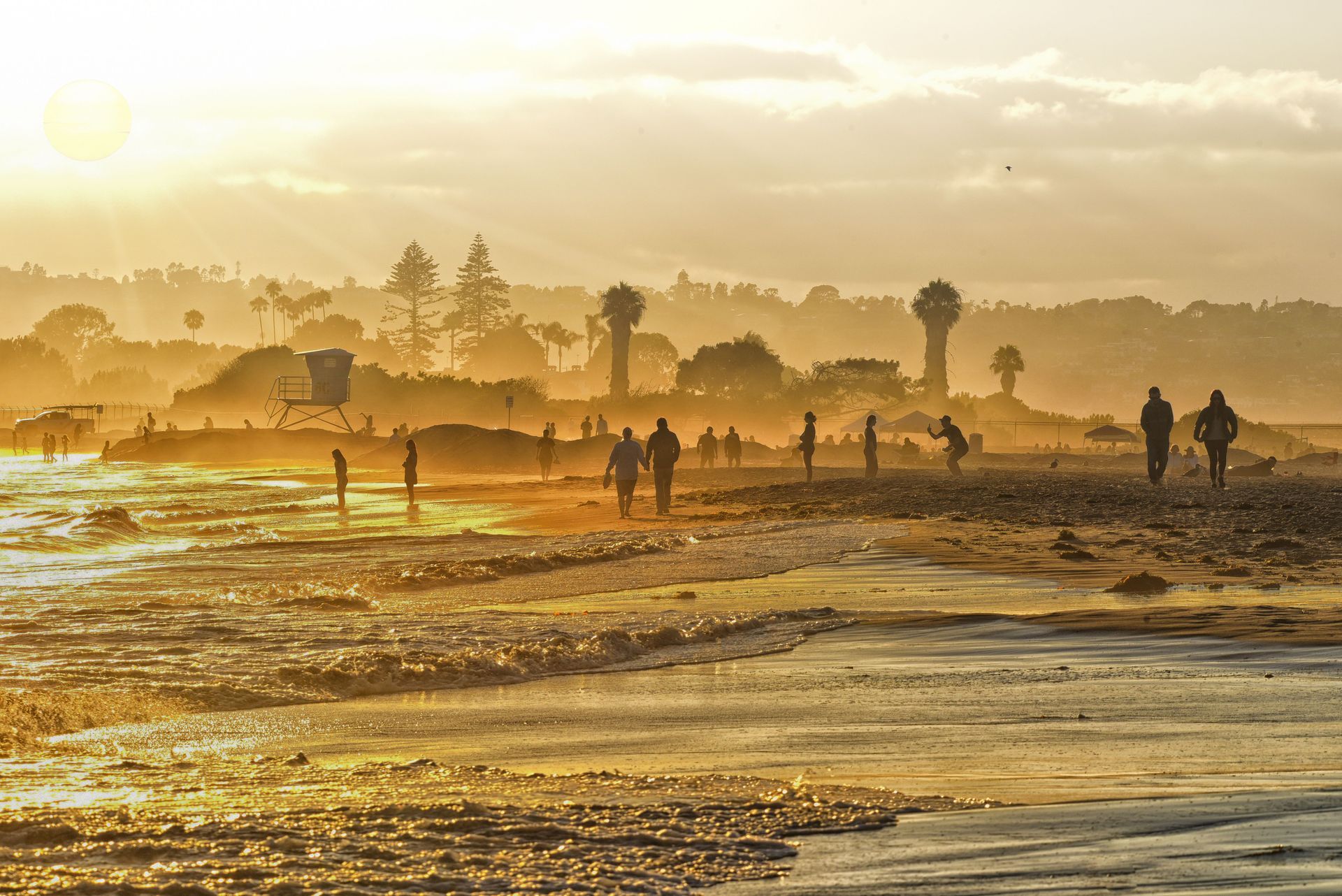
It is no surprise why people would want to retire in Costa Rica, as seniors get the utmost respect there and are referred to as Golden Citizens, or Cuidadanos De Oro. From white sandy beaches and perfect sunsets to decent year-round weather, Costa Rica draws in many retirees, both full-time and part-time.
Are you planning your retirement, but are not sure which direction you want to head? We are going to take a look at why retiring in Costa Rica has been growing in popularity and has been at the top of the charts for quite some time.
Let's begin!
Retiring In Costa Rica
Researching the most popular countries to retire to will show you a list of desirable tropical locations. Digging deeper into your research will make it quite obvious why Costa Rica is steadily on the top of the retirement lists.
Just below Mexico nestled between Nicaragua and Panama, Costa Rica has gorgeous clear blue waters on either side. The Caribbean Sea on the east coast, and the Pacific Ocean on the west coast, Costa Rica always has a breeze blowing across the land.
While many go to Costa Rica for lengthy vacations whether in the all-inclusive resorts or keep it low-key and go for a private property rental. You will soon realize that there are a lot of Americans retiring in Costa Rica.
Live In A Tropical Paradise
Most people work all of their lives looking forward to the age when they can retire. Retirement is the end goal and the reason why we work tirelessly to save for the day when we too can retire.
Some people might stay in their hometown when they retire so that they can stay close to family and friends. Also, being in an area with which they are familiar is comforting, especially as they get older and possibly get around less easily.
For those that have bigger plans in mind, making a big move out of the state or even the country means a life-altering shift. Yet, choosing a place like Costa Rica is so gorgeous it will make the transition much easier and help you forget the issues of moving.
You might choose to sell your home and buy a new one, then transfer everything to your new house. While others prefer to split their time between their retirement home and their hometown, this depends if your budget is big enough to own two homes.
Usually, depending on the seasons, retirees become "snowbirds," which means they go south for the winter, just as birds do. And, when the winter thaws, they will leave their winter home and fly north.
Costa Rica is the perfect choice to relocate to for a year-round retirement home. Yet, it depends on your personal preferences and other commitments.
Year-Round Nice Weather
When the human body ages, the layer of fat underneath the skin becomes thinner. With a thinner layer of fat, we have a harder time staying warm, which is why older people get colder more easily.
The year-round temperatures in Costa Rica are seen as decent, as the lows rarely drop below 60 degrees (F), and the highs are in the low 90's. There is a rainy season due to the rainforests throughout Costa Rica.
The rainy season, or "Green Season," as it is known by the locals, is in September and October. This rain is followed by a super bloom of all of the tropical flowers and brings out the bright cheerful colors of Costa Rica.
Give The Family A Great Excuse For A Vacation
Retiring to a tropical paradise means that you will be living in a place that most people go to for vacation. You will get to wake up every morning on your own instead of waking up to an alarm clock, and not have to go to work, which is like a vacation in itself.
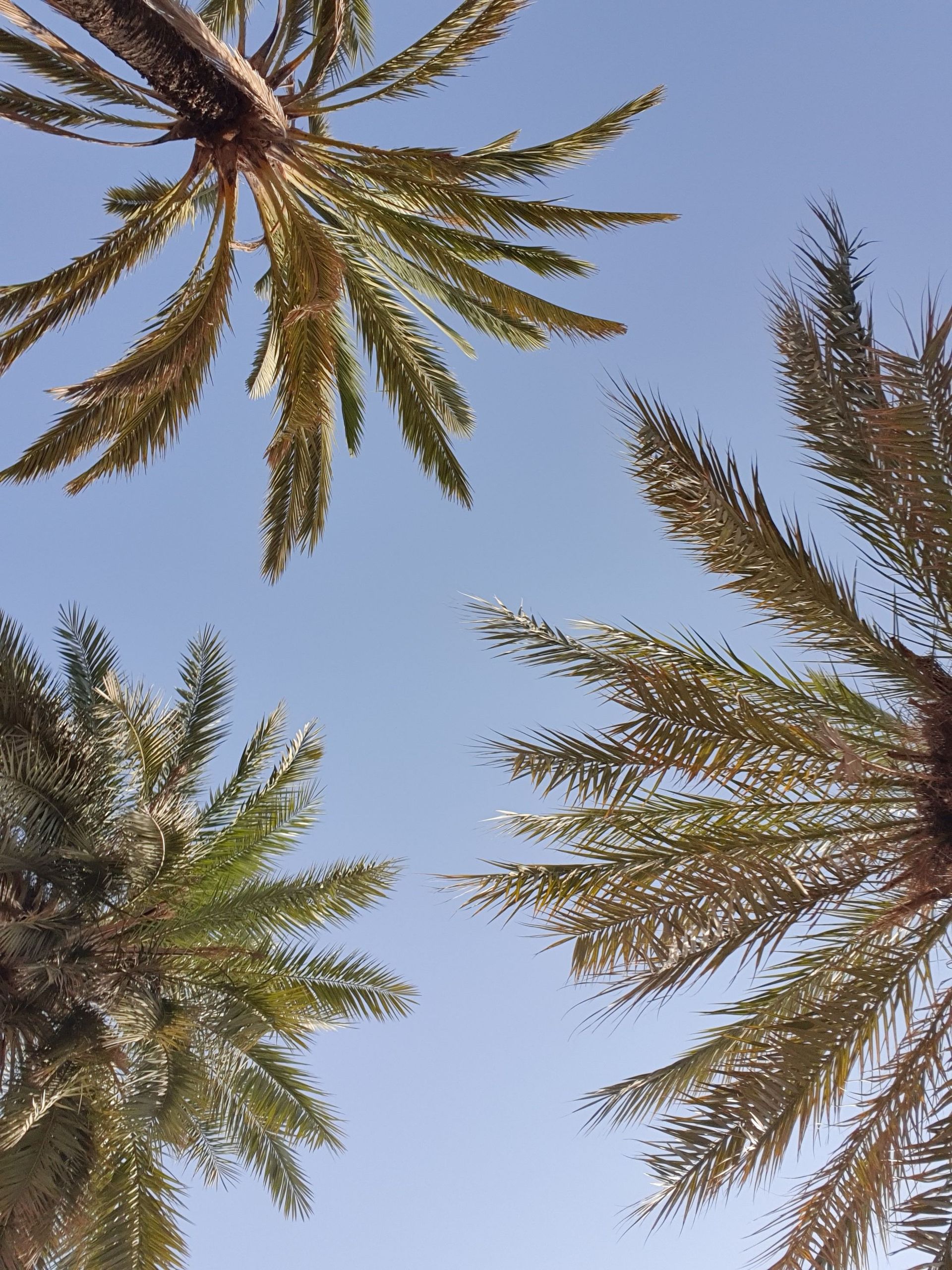
With palm trees swaying in the warm breeze, the sun shining brightly, the colorful birds and cool wildlife about, and the local Spanish flavor in the air, it will be hard to deny that you are truly living the dream.
For holidays and family vacations, your kids, grandkids, extended family, and close friends, your new home might prove to be the popular destination instead of going elsewhere. Many people that go on vacation to Costa Rica consider moving there.
Even though you are retired, once you are settled into your new country, you will have a new job of playing tour guide for everyone that comes to visit you. Your visitors can stay with you or check out short-term rentals near you.
Low Cost Of Living
When you are retired, you are most likely not going to have a steady source of income and will be on a fixed income. With a fixed income, you have to be careful of how much money you spend.
Living in certain areas of Costa Rica is ideal for those that are retired because the cost of living is relatively low. Also, living in a tropical place reduces the need to go on vacation to anywhere else.
The price of food is affordable, especially if you are dining on local produce and products. If you are looking for imported goods, of course, you will pay more premium prices.
Real estate prices are shockingly low. For most homes and properties, you will pay about half of what you would for any real estate listing in the states.
Costa Rica retirement living is simple, so if you can adapt to that, you will be able to make it on any budget. With that being said, one thing that is considerably more expensive in Costa Rica compared to America is the price of gasoline. It's almost double.
Relatively Low Crime Rates
Researching crime rates in an area that you plan to move to is important to most people, as they strive to feel safe and secure with their final decision. This will also give their family a sense of security when they move far from home.
Costa Rica has abolished their army, yet continues to have political stability and low crime rates.
With the senior community, especially, you want to make sure that you are not putting yourself in danger just for the sake of living in a warm climate and can enjoy your retirement without worrying about crime.
Of course, no place is perfect. Costa Rica does have some issues with crime, which is mostly petty crime.
Just being aware of your surroundings and paying attention to the basics, such as locking your doors and keeping an eye on your belongings, should keep you out of harm's way.
Ways To Stay Active In Costa Rica
Staying active is important for our physical and mental health, especially after we have retired from work. Going to work every day is sometimes the only exercise that we get, it almost forces us to keep moving.
After we retire, however, we often take advantage of the free time to just relax and do a whole lot of nothing. Which is fine, but we must mix in some physical activity as well.
The year-round warm weather in Costa Rica makes getting outside easier than if it was cold and miserable. And, the beautiful terrain helps to draw out outdoors.
There are plenty of sandy beaches, national parks, and rainforests to walk through to get your daily steps in. And, if you like to walk, you can go through the outdoor markets, which will also give you a chance to pick up produce and goods while getting to know the local folks.
Water activities are plentiful in Costa Rica with boating, kayaking, swimming, and more adventurous activities, such as jet skiing and parasailing. It is easy to make new friends who were born in Costa Rica or have been transplanted, and with new friends, you can find new ways to stay active.
The Wildlife Is Exquisite
Let's talk about the wildlife of Costa Rica because there are some very exciting animals roaming around this beautiful country.
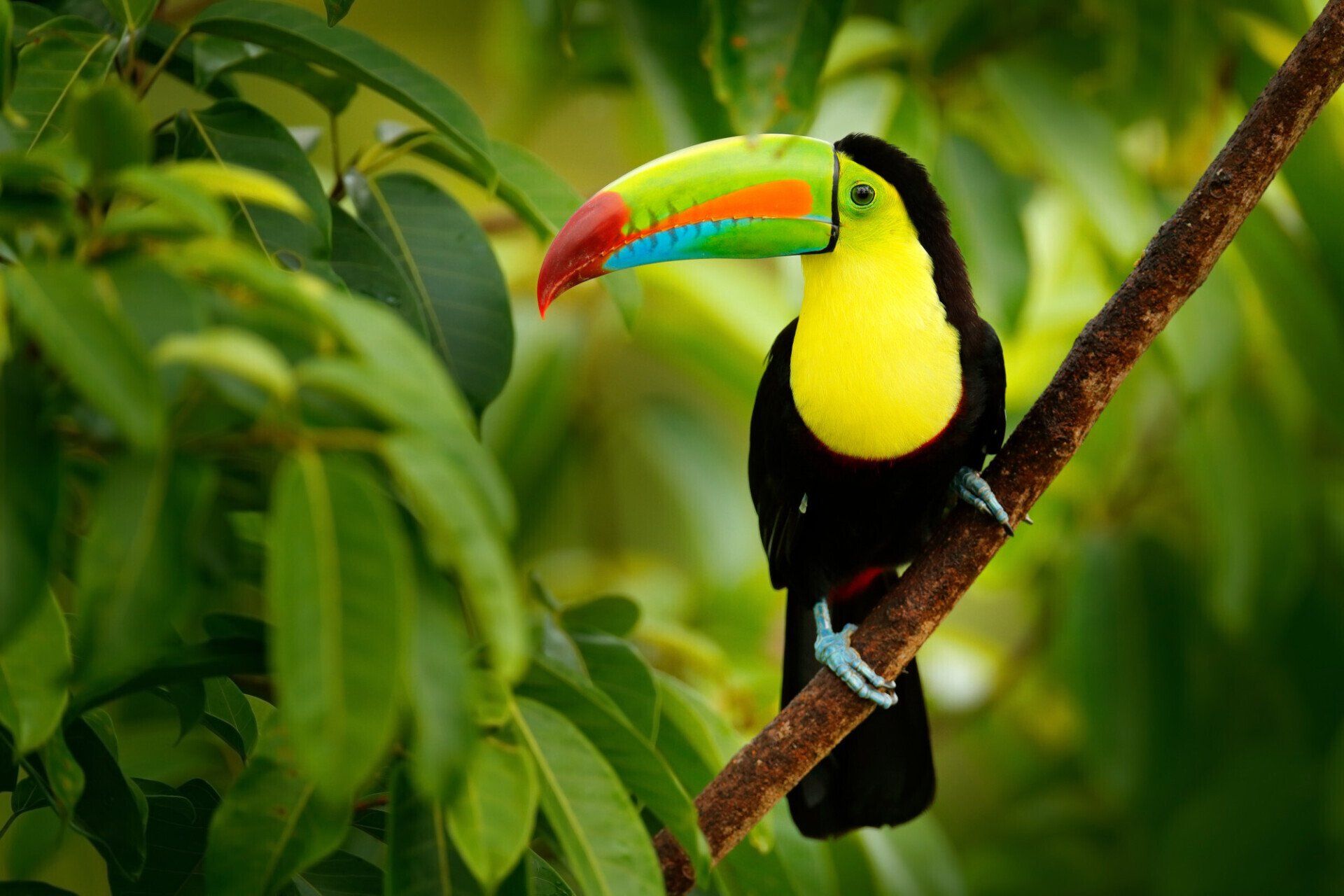
Bird watchers will love bringing out the binoculars for the colorful exotic birds of Costa Rica. You might see hummingbirds, toucans, and macaws among plenty of other beautiful birds.
Costa Rica is a tropical country that is home to cheeky monkeys. Many varieties of monkeys run wild around the jungles and are very commonly found in the towns too.
As for water life, crocodiles are floating around which you will want to stay away from. However, for those that enjoy fishing, you can hook into tuna, snapper, grouper, tarpon, and a huge variety of other fish and fresh seafood.
Did you know that humpback whales come to Costa Rica to mate? Look for them on the Pacific Coast from December through April.
Most Popular Areas Of Costa Rica
Costa Rica has plenty of retirement communities, which give retirees that are moving there from out of the country more comfortable. The central Pacific Coast is a good place to start.
If you are looking for a great area where you can meet other ex-pats, check out towns like Tamarindo, Dominical, Atenas.
Making The Move
Choosing the right place to retire to is the biggest step. Prepping yourself and your belongings to make the trip is an entirely different ball game.
So, what is the easiest way to move the contents of your home from your current location to Costa Rica? You might start by whittling down the items which you no longer use, don't need to bring, or things in your attic and basement which belong to your kids.
Renting a shipping container to fill is a very popular way to ship belongings to Costa Rica.
Speaking The Language
Thanks to the many people who move from America to Costa Rica, there are plenty of people there that speak English. Costa Rica is also a major destination for tourists, which makes English the second most spoken language there.
The native language, however, is Spanish. Luckily, most Americans speak at least a little bit of Spanish.
Considering the importance of being able to communicate with those around you, taking a few Spanish lessons would be a good idea if you plan to move to Costa Rica.
There are plenty of classes available online, tutors for hire, or you could pick up a book on speaking Spanish. And, once you submerge yourself in the culture, picking up the language usually comes easier.
Tasting The Flavors Of Costa Rica
If you are not familiar with cuisine from Costa Rica, you will be in for a pleasant surprise. With Latin influence of spices, and sauces that awaken the palate and warm the soul.
Many dishes are rice-based, with stewed meats and roasted vegetables, and of course, beans. There are also delicious fruits, such as mango and passion fruit, and plenty that you probably will not have heard of.
And, don't forget that since Costa Rica is a tropical location, there will be plenty of delicious fresh coffee. Arabica beans are grown all over the country, and it is a huge part of the culture and history.
The Local Currency And Banking
The American dollar might be accepted by some stores or markets in Costa Rica, but it will be a good idea to learn the exchange rate and have your American bank account transferred to one in Costa Rica.
The currency is known as Colons in Costa Rica. And one American dollar is exchanged for several hundred Colons, depending on the current exchange rate.
Driving In Costa Rica
If there is a major downfall (for some) about Costa Rica that should be discussed. It is the state of the roads. Those that drive on roads in America will have an entirely different experience driving in Costa Rica.
Paved roads tend to have potholes and cracks, which make driving tricky, and should only be done in the daylight until you learn your way around. Other roads you will find are more like dirt back roads, which require a vehicle with good suspension, a sharp eye, and a steady hand on the wheel.
The roads are admittedly the biggest complaint of Americans who have moved to Costa Rica, but with the right research, you can steer yourself towards the more developed part of the country with better quality roads.
Pack Your Bags and Plan Your Retirement
Researching the possibility of retiring in Costa Rica is quite exciting and makes you want to pack your bags and go now! Vibrant tropical plants, birds, foods, and rich culture make it a very cool place to retire to.
AMSI has been helping retiring people relocate since 1970, so we know a thing or two about accommodating your needs at this milestone in your life. Reach out with any questions or concerns that you might have.